Grinding brakes at a red light has a way of turning a normal Tuesday into a stressful one. And the first question that pops into most drivers’ heads is simple: how much is this going to cost me?
Brake repair costs vary more than people expect, shaped by everything from the car you drive to the shop you choose.
The guide breaks down real numbers for 2026. What drives the price up or down? How does a trustworthy auto repair shop like Claymont Auto Repair handle the whole process? From diagnosis to final bill, you are part of the process with transparency.
What Drives Brake Repair Cost Up Or Down
Several factors shape the final number on your invoice, and none of them work in isolation. The type of vehicle matters first.
A compact sedan and a heavy-duty truck do not use the same size rotors or calipers. Larger vehicles typically need bigger brake components, and bigger parts cost more no matter which shop installs them.
Labor rates also swing the total quite a bit depending on your region. A shop in a major city tends to charge more per hour than one in a smaller town, purely because of overhead and local wage differences.
Additionally, the severity of the damage plays a huge role. Catching worn pads early keeps the job simple. But, ignoring the warning signs for months can lead to damaged rotors, which raises the bill considerably.
Breaking Down Brake Pad Replacement Cost
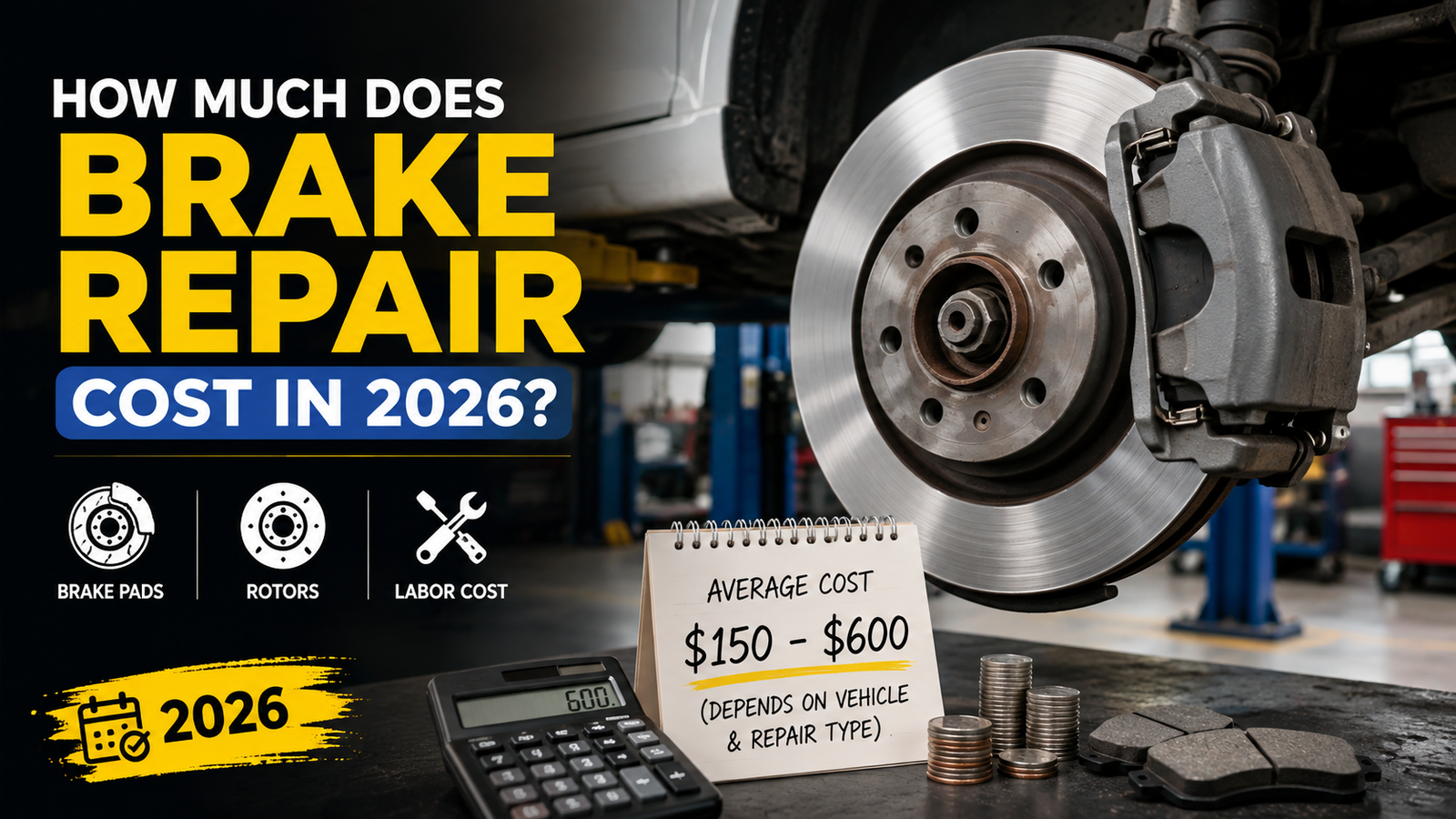
For most drivers, brake pad replacement cost sits somewhere between 150 and 300 dollars per axle, depending on the parts used and the vehicle itself.
Ceramic pads run on the higher end of that range but last longer and produce less brake dust. Many drivers consider the extra cost worthwhile over time.
Semi metallic pads cost less upfront but tend to wear faster and generate more noise, especially in stop and go traffic.
Meanwhile, if rotors need resurfacing or full replacement alongside the pads, expect the total brake repair cost to climb into the 300-to-600-dollar range per axle.
Premium vehicles, particularly European models, often push these numbers even higher due to specialized parts and stricter manufacturer requirements.
A trustworthy auto repair shop will always explain exactly what your vehicle needs before moving forward with any work.
Why Choosing The Right Shop Changes Everything
Not every shop charges brake repairs the same way. The cheapest quote is not always the smartest choice.
Some shops cut corners on parts quality just to win your business with a lower number upfront. That decision often costs drivers more down the road through premature part failure.
A reputable auto repair shop sources quality parts and stands behind its labor with a real warranty, which matters far more than saving twenty dollars today.
At Claymont Auto Repair, technicians inspect the entire braking system before quoting any price. They take time to check pads, rotors, calipers, and brake lines together rather than assuming the problem starts and ends with worn pads.
This thorough approach means customers avoid the frustrating cycle of paying for a repair only to return weeks later with a related issue nobody caught the first time.
Transparent pricing and honest diagnostics are exactly why so many local drivers trust Claymont Auto Repair for brake work year after year.
Beyond Brakes, What Else Affects Your Total Vehicle Costs
Brake repair rarely happens in isolation, and smart drivers usually think about their overall vehicle health at the same time.
Car AC problems, for example, often surface around the same season drivers notice brake issues, especially as vehicles age past the five-year mark.
A shop that handles both brake repair and car AC diagnostics under one roof saves customers time and multiple trips.
The exhaust system deserves attention too, since a failing exhaust system can sometimes mimic other mechanical noises that drivers mistake for brake problems. Getting a full inspection rather than a single focus repair helps avoid this kind of confusion.
It gives drivers a clearer picture of what their vehicle actually needs heading into the next year.
Signs Your Brakes Need Attention Now
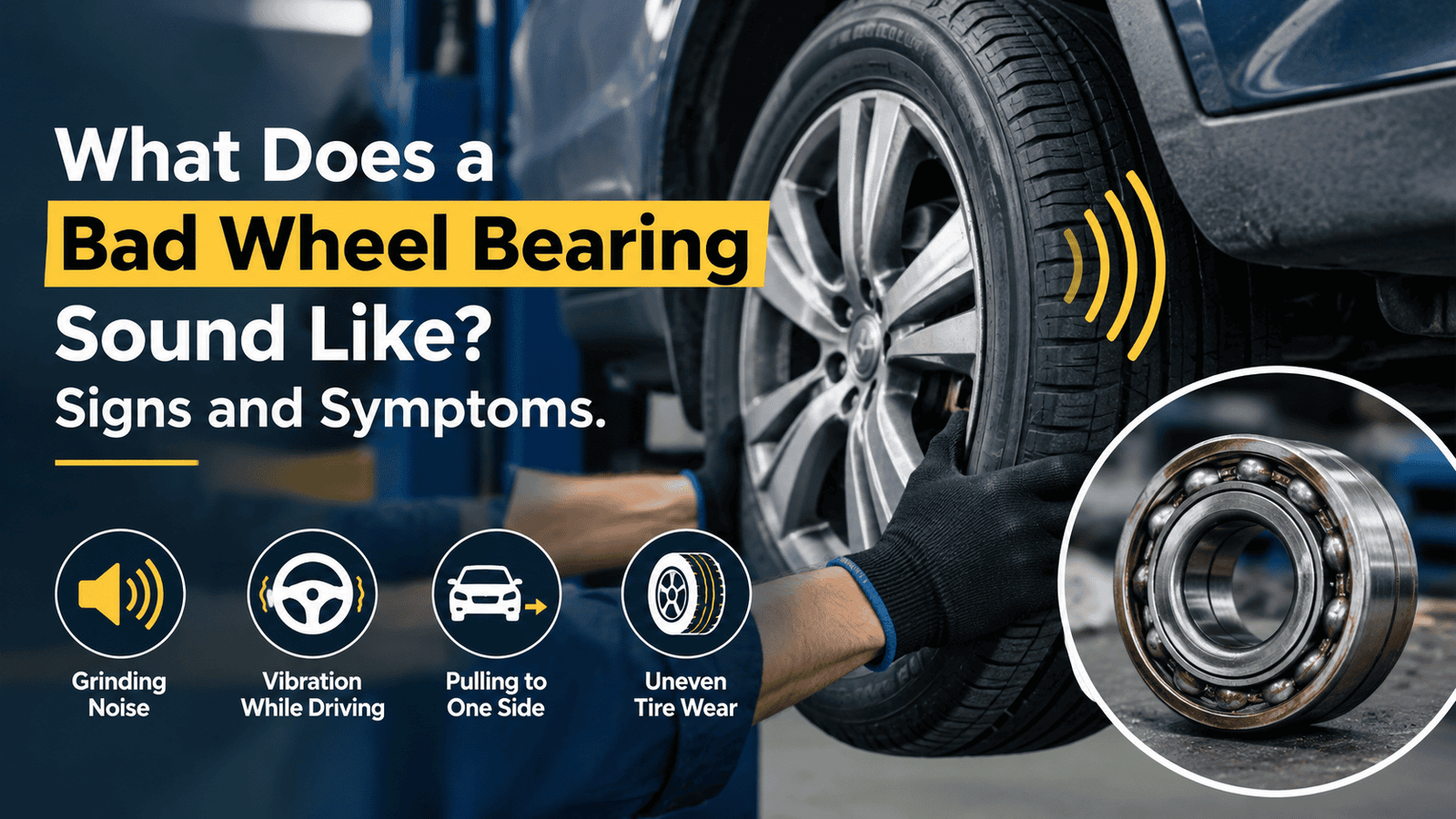
Squealing or grinding noises rank among the most obvious warning signs, but they are not the only ones.
A soft or spongy brake pedal often points to air in the brake lines or a fluid leak, both of which need prompt attention. Vibration through the steering wheel while braking usually signals warped rotors, and pulling to one side during braking often means uneven pad wear or a caliper issue.
Ignoring these signs rarely saves money in the long run. What starts as a simple pad replacement can turn into rotor damage, and rotor damage can eventually stress the caliper too, turning a 200 dollar fix into something closer to 600 dollars if left unaddressed for months.
Frequently Asked Questions
What are the signs that my brakes need repair?
Squealing noises, grinding sounds, a soft pedal, and vibration while braking are the most common signs. If your car pulls to one side when you brake, or the dashboard brake warning light turns on, get it checked soon rather than waiting for the problem to worsen.
How long does brake repair usually take?
Most standard brake repair jobs, including pad replacement, take about one to two hours per axle. If rotors need resurfacing or replacement too, plan for closer to three hours. More complex issues involving calipers or brake lines can stretch the timeline further, so ask your shop for a specific estimate based on your vehicle.
Final Thoughts On Brake Repair Cost In 2026
Brake repair cost in 2026 depends heavily on your vehicle. Moreover, it relies on the extent of the damage due to delays and the shop you choose to trust with the work.
Catching problems early keeps brake pad replacement cost manageable. The quick action prevents small issues from snowballing into expensive rotor or caliper damage.
Working with an experienced auto repair shop that inspects thoroughly and prices honestly makes all the difference. Drivers across the area continue to choose Claymont Auto Repair for exactly that reason.
Whether the issue is brake repair, car AC trouble, or a noisy exhaust system, getting ahead of small problems now saves real money later.