There’s nothing quite like turning the key (or pressing that start button) and getting nothing back. Whether you’re heading out from your driveway in Claymont or trying to leave a parking lot in Wilmington or Newark, a car that won’t start can throw off your whole day.
The good news is that most no-start problems come down to a handful of common causes, and the exact way your car is failing to start usually points to what’s wrong. Here’s a rundown of the most common reasons your car won’t start, what your symptoms might be telling you, what you can safely check on your own, and when it’s time to bring it in for a professional diagnosis.
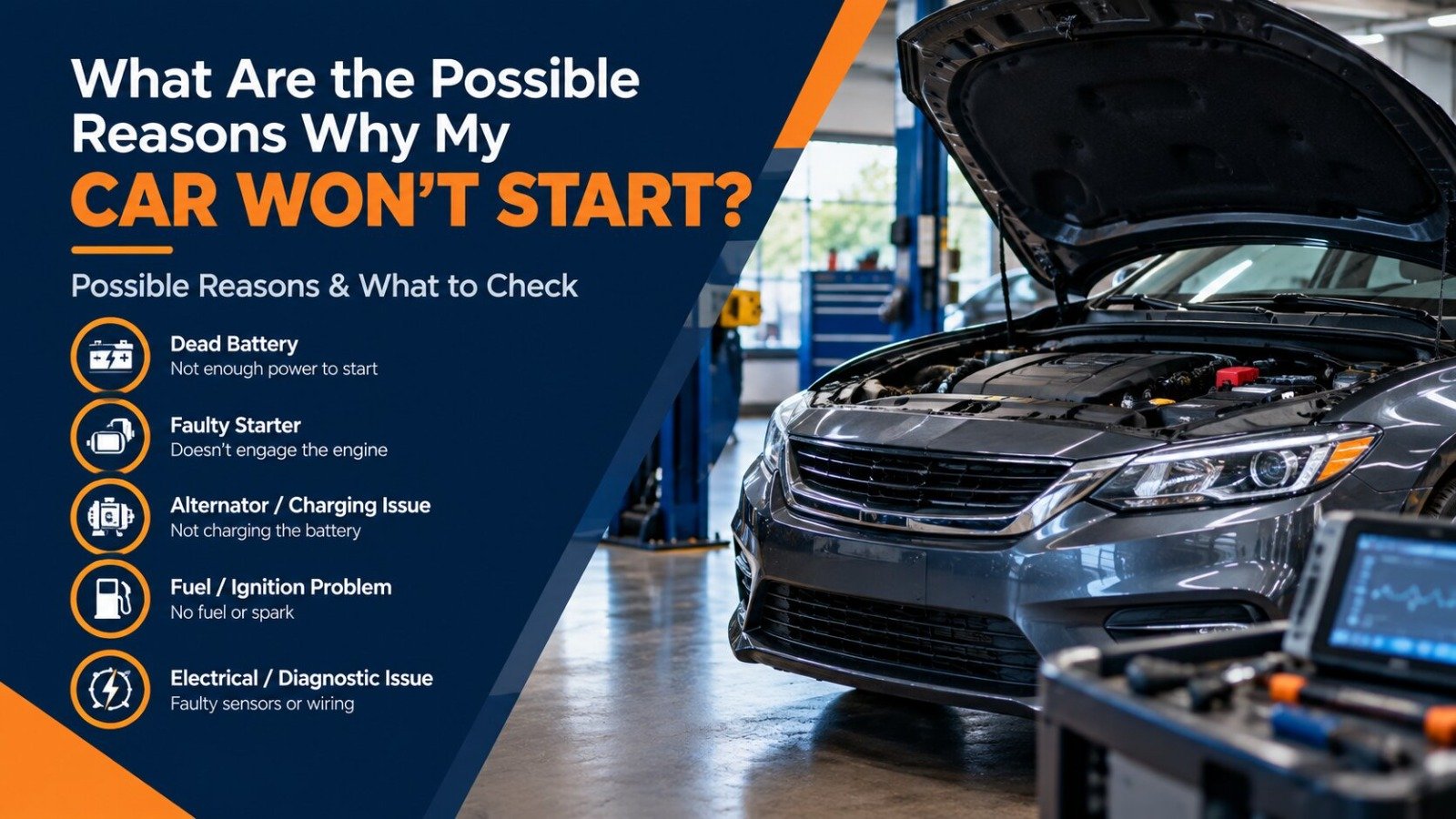
Common Reasons a Car Won’t Start
A no-start problem can come from several different systems in your vehicle. The symptoms you notice when you turn the key or press the start button can offer useful clues about where the problem may be.
Dead or Weak Battery
A weak or dead battery is by far the most common reason cars won’t start, especially during temperature swings like the ones we get here in Delaware. Cold mornings make it harder for a battery to deliver enough current, and hot summer days speed up battery wear over time. If your battery is more than three or four years old, it’s a prime suspect.
Faulty Starter Motor
The starter motor is what actually turns the engine over when you turn the key. If it’s worn out or failing, you might hear a single click, a whirring sound that doesn’t catch, or nothing at all, even though your lights and dashboard look normal.
Alternator Problems
The alternator keeps your battery charged while the engine runs. If it’s failing, your battery may test fine when the car is off but still not have enough charge to start the car after a drive, especially if you’ve been running lights, AC, and accessories.
Ignition Switch or Key Fob Issues
Modern key fobs and ignition switches can develop issues that prevent the car from recognizing the key, which stops the starting process before it even begins. A dying fob battery is a simple, often overlooked cause.
Fuel Delivery Problems
If your engine cranks normally but doesn’t fire up, the issue may not be electrical at all. A failing fuel pump, a clogged fuel filter, or a bad fuel injector can prevent enough fuel from reaching the engine, even though the starter is doing its job.
Bad Spark Plugs or Ignition Coils
Worn spark plugs or a failing ignition coil can prevent the engine from firing. This is more common in vehicles that are overdue for routine maintenance, including spark plug replacement and general tune-ups.
Security System or Anti-Theft Lockout
Some vehicles have anti-theft systems that will intentionally prevent the engine from starting if they detect an unrecognized key or a possible tampering attempt. A dashboard light flashing in a specific pattern is often the clue here.
What Your Symptoms Can Tell You
Not every no-start is the same, and the specific way your car fails to start is one of the best clues for narrowing down the cause.
Car Won’t Start, But Battery Is Good
If the battery has been properly tested and is in good condition, the problem may involve the starter, ignition system, fuel delivery, wiring, or another electrical component.
Car Won’t Start, No Sound at All
Silence when you turn the key, no clicking, no cranking, no dashboard lights, usually points to a dead battery, a loose or corroded battery connection, or a blown fuse in the starting circuit. It can also indicate a problem with the ignition switch itself.
Car Cranks But Won’t Start
This is one of the most common complaints. If the engine turns over (cranks) but doesn’t actually start and run, the electrical side is generally working. The issue is more likely fuel delivery, ignition timing, spark plugs, or a sensor problem preventing the engine from firing properly.
What You Can Safely Check Yourself
Before assuming the worst, there are a few simple checks most drivers can safely do:
- Check the battery connections. Loose, corroded, or dirty terminals are a frequent and easy-to-fix cause of no-start issues.
- Listen for clues. A single click, repeated clicking, or complete silence can point in a different direction, as described above.
- Check your dashboard lights. Dim or flickering lights when you try to start the car often point to a battery or connection issue.
- Try your key fob’s backup. If your fob battery may be low, most vehicles have a manual backup method for unlocking and starting.
- Check for obvious warning lights. A flashing security light, check engine light, or low fuel warning can help point you in the right direction.
If any of these quick checks solve the problem, great. If not, it’s a sign the issue needs a closer look.
When to Call a Professional
Sometimes a no-start problem is something simple. Other times, the cause is buried in the fuel, ignition, or electrical system and takes proper testing to figure out.
It is a good idea to have the car checked if:
- A jump-start does not help, or the car starts and then dies again soon after
- You hear clicking, grinding, or another unusual sound when you try to start it
- The engine cranks normally but never actually starts
- Warning lights or unusual dashboard messages stay on
- The car has been starting inconsistently, running rough, or acting differently before the no-start problem began
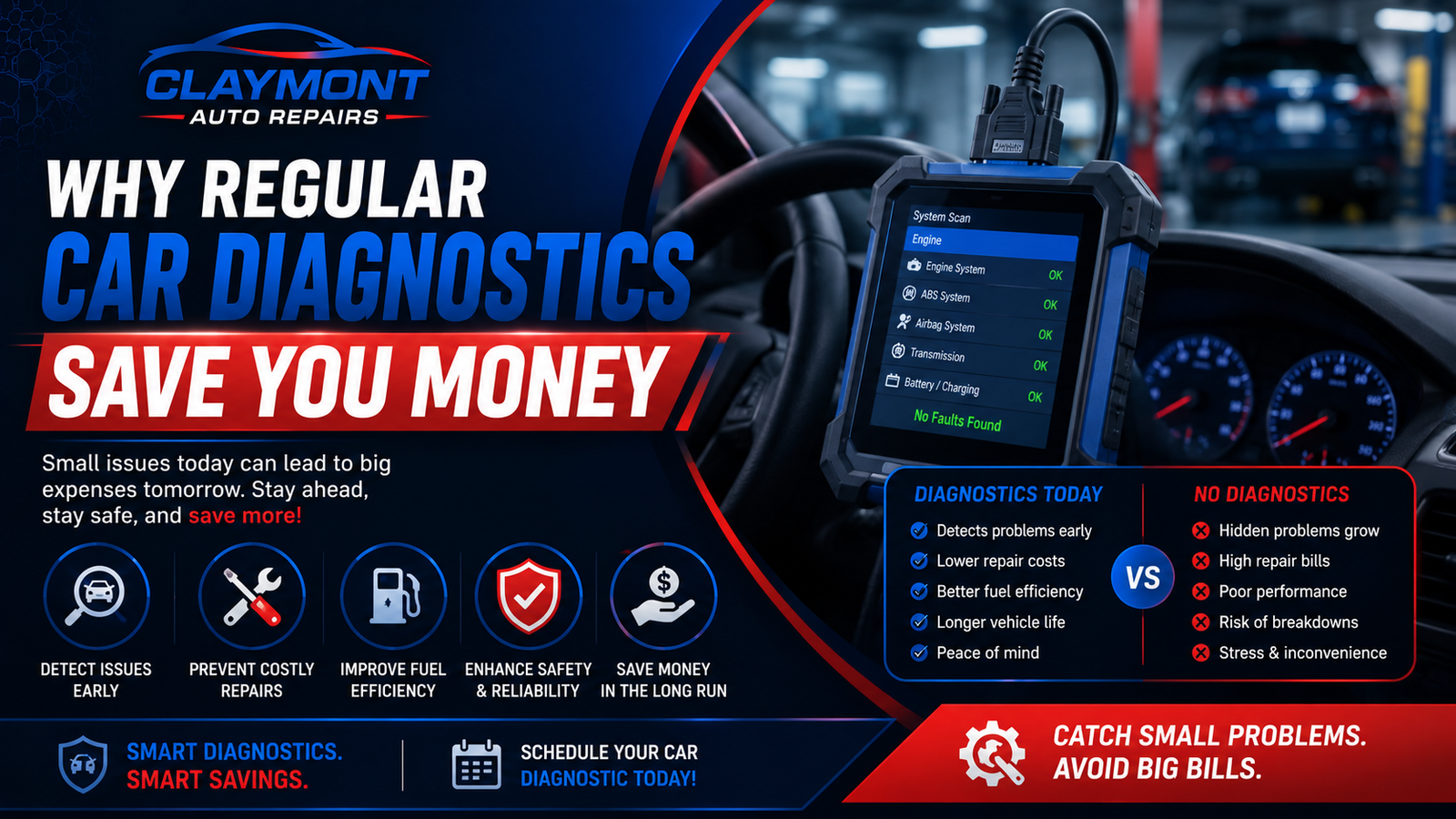
At that point, guessing can get expensive. Replacing parts without knowing the real cause may waste both time and money. Professional diagnostic testing can help narrow down the problem and show you what actually needs attention.
Frequently Asked Questions
Why does my car crank but not start?
When a car cranks but won’t start, the starter and battery are typically doing their job, but the engine isn’t getting what it needs to fire up. Common causes include a failing fuel pump, a clogged fuel filter, bad spark plugs, a faulty ignition coil, or a sensor issue affecting fuel or spark timing.
What should I check if my car won’t start?
Start with the basics: battery terminal connections, any obvious warning lights on the dashboard, and the sound (or lack of sound) the car makes when you turn the key. These simple checks can often point you toward the battery, starter, or fuel system before you need a full diagnostic.
Is a clicking sound when starting a car a bad battery?
A clicking sound is often, but not always, related to the battery. A single loud click can point to a failing starter motor, while rapid repeated clicking usually suggests the battery doesn’t have enough power to engage the starter. Either way, it’s worth having it looked at, since both issues tend to get worse over time.
Get Your Car’s Starting Problem Diagnosed in Claymont, DE
If your car won’t start, or it’s been cranking, clicking, or shaking without a clear answer, the team at Claymont Auto Repair can pinpoint the real cause and get you back on the road. We work with drivers throughout Claymont, Wilmington, and Newark on everything from battery and starter issues to fuel system diagnostics.
Visit claymontauto.com to schedule a diagnostic appointment, or stop by and let our technicians take a look.