Your engine usually gives you warning signs long before it breaks down. The key is knowing what to look and listen for.
Strange sounds, dashboard warnings, and subtle performance changes all show up well ahead of a full failure, giving you time to act if you catch them early.
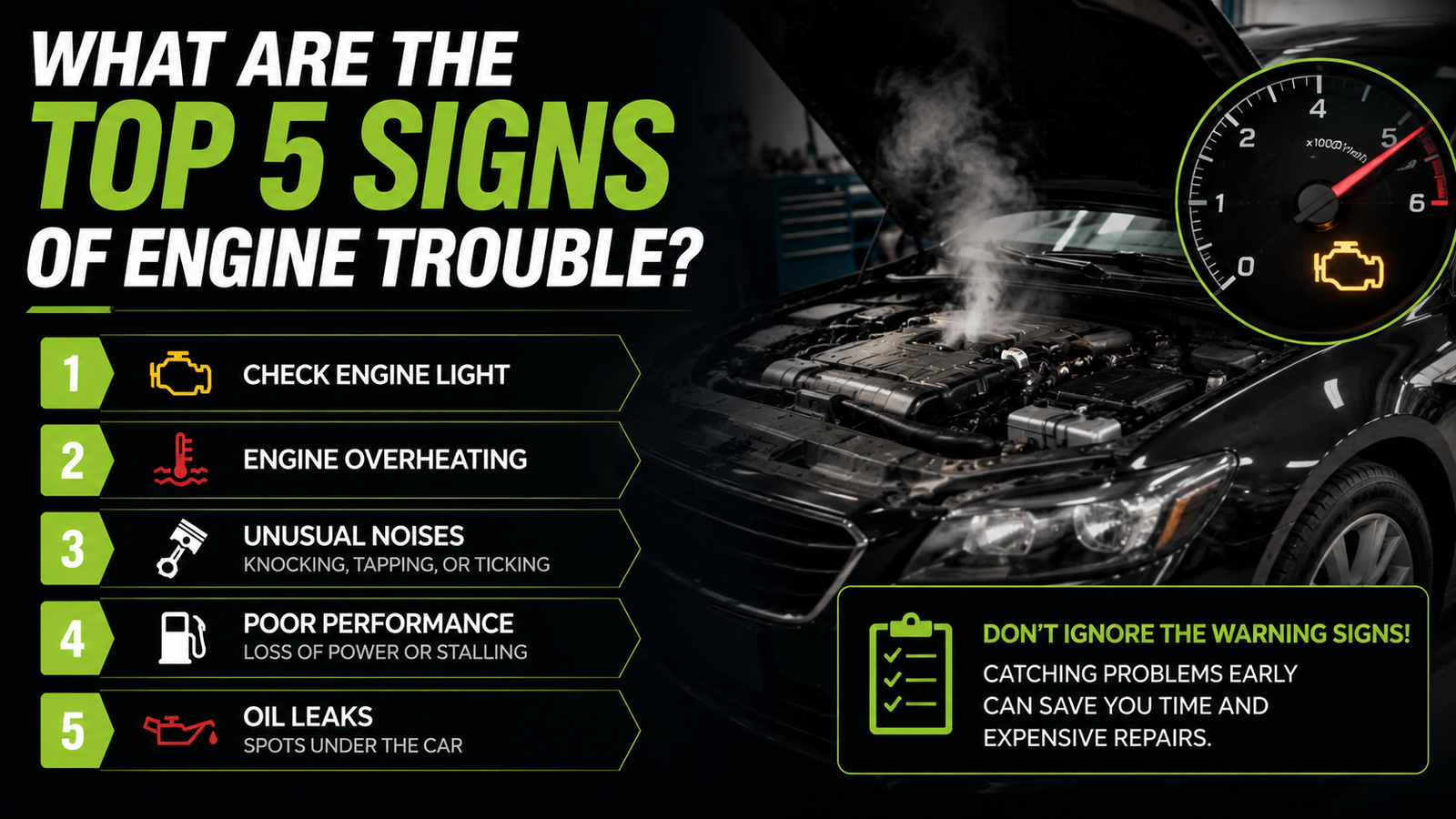
Here are the five signs worth paying attention to before a manageable fix turns into an expensive repair.
Check Engine Light Deserves Real Attention
Nothing signals engine problems quite as directly as a lit dashboard warning. Yet plenty of drivers ignore this light for weeks, assuming the problem isn’t serious because the car still seems to drive normally. That assumption causes more damage than the original issue ever would have.
A steady check engine light often points to something manageable, like a loose gas cap or a failing oxygen sensor.
However, a flashing check engine light means something far more serious, usually a misfire severe enough to damage your catalytic converter if you keep driving.
Getting a proper diagnostic scan the moment this light appears remains the fastest way to catch signs of engine trouble before they escalate into costlier repairs.
Engine Misfire Symptoms Are Easy to Feel
A misfiring engine rarely stays subtle for long. Engine misfire symptoms typically include a rough idle, sudden jerking during acceleration, or a noticeable loss of power when you press the gas pedal.
Drivers often describe the sensation as the car stumbling or hesitating, especially under load. Additionally, a misfire sometimes comes with a distinct smell of unburned fuel, particularly if the issue involves a faulty spark plug or ignition coil.
Left unaddressed, engine misfire symptoms tend to worsen over time, since one weak cylinder puts extra strain on the rest of the engine trying to compensate.
Catching this early usually means a straightforward spark plug or coil replacement rather than a much larger repair down the road.
Car Engine Knocking Should Never Get Ignored
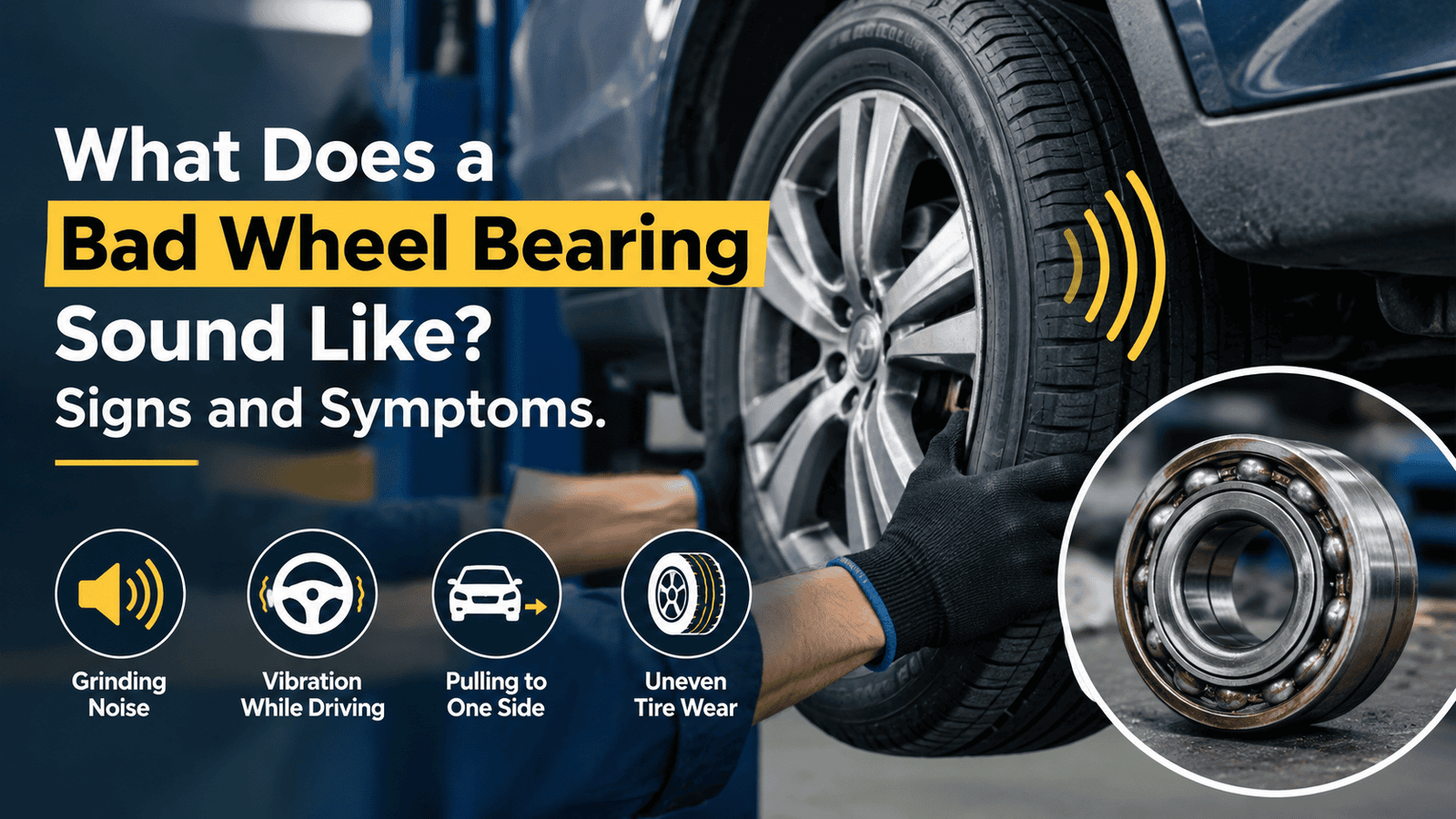
Few sounds worry drivers faster than a knock coming from under the hood. Car engine knocking usually points to a problem with fuel combustion timing, worn bearings, or low oil pressure, none of which improve with time.
This knocking sound often grows louder during acceleration, since the engine works harder and the underlying issue becomes more pronounced.
Furthermore, car engine knocking paired with low oil levels signals a particularly urgent situation, since insufficient lubrication accelerates internal wear at a dangerous pace.
Continuing to drive with persistent knocking risks turning a bearing replacement into a full engine rebuild. Anyone hearing this sound should get their vehicle inspected as soon as possible rather than hoping it resolves on its own.
Engine Overheating Symptoms Demand Immediate Action
A rising temperature gauge ranks among the clearest signs of engine trouble a driver will ever see.
Engine overheating symptoms include steam rising from under the hood, a sweet smell suggesting coolant leakage, and a temperature needle climbing steadily into the red zone. None of these symptoms should get brushed aside, even during a short trip.
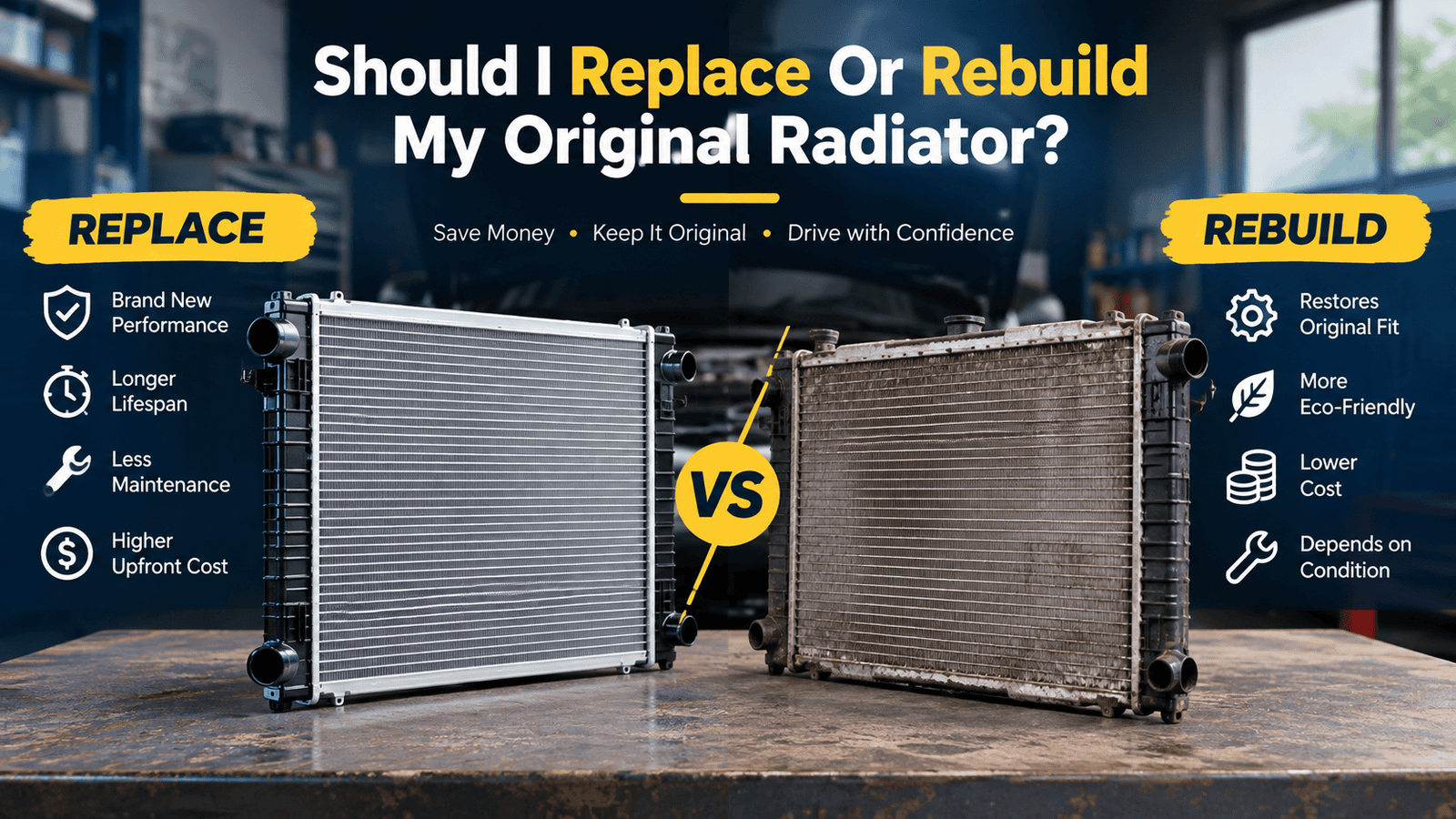
Moreover, engine overheating symptoms often trace back to a failing thermostat, a coolant leak, or a malfunctioning radiator fan.
Continuing to drive an overheating engine risks warping the cylinder head or blowing a head gasket, repairs that cost far more than the original cooling system fix. Pulling over safely and having the vehicle inspected is far less expensive than risking permanent engine damage.
Unusual Exhaust Smoke Signals a Deeper Problem
Normally, smoke coming from your exhaust pipe tells a specific story depending on its color. So, blue smoke usually means oil is burning inside the engine, often due to worn piston rings or valve seals.
White smoke, especially if it smells sweet, frequently points toward coolant leaking into the combustion chamber. A sign closely tied to engine overheating symptoms and head gasket failure.
Meanwhile, black smoke typically signals the engine burning too much fuel. It is sometimes linked to the same issues causing engine misfire symptoms in the first place.
None of these colors indicate a healthy engine, and each one deserves prompt inspection rather than a wait-and-see approach. Catching exhaust smoke early often means the difference between a moderate repair and a complete engine overhaul.
Final Thoughts
The car engine rarely fails without warning. It simply relies on you to notice the signals along the way. From dashboard lights to unusual sounds and smoke, these five signs of engine trouble give you a real chance to address problems before they become catastrophic.
If your vehicle is showing any of these warning signs, the team at Claymont Auto Repair can diagnose the issue before it turns into a much larger repair.
Frequently Asked Questions
What are the first signs of engine trouble?
The first sign of trouble includes a check engine light, rough idling, or a slight loss of power during acceleration. These symptoms often appear gradually. It makes all the difference to a car’s engine if you pay attention to these small changes.
How do I know if my engine is failing?
Persistent knocking sounds, overheating, exhaust smoke, and repeated misfires all point toward a failing engine. If several of these symptoms appear together, especially alongside a flashing check engine light, the engine likely needs immediate professional attention.
Can I drive with signs of engine trouble?
No! Driving with mild symptoms for a short distance is sometimes possible. But if you continue driving with serious signs like overheating, knocking, or a flashing check engine light risks turning a manageable repair into catastrophic engine failure.