
One fine day, with a schedule to follow, a sudden shake of the steering wheel can throw you off. Rightly so, you may already know this car issue isn’t something you can put off.
Sure, steering wheel vibration rarely happens by chance. But now that it has, it points to a mechanical issue that grows worse if left alone.
Many drivers notice the problem first at higher speeds, yet the root cause often starts much earlier. Understanding the signs helps you protect your safety and avoid bigger repair bills later.
This guide covers the main reasons for a shaking steering wheel and clear steps you can take next.
Common Causes of Steering Wheel Vibration
Most cases of steering wheel vibration begin with the tires. Unbalanced tires create an uneven weight distribution that becomes obvious around fifty to seventy miles per hour.
Missing wheel weights or packed mud inside the rim often trigger this rhythmic shake. In addition, uneven tire wear from low pressure or long periods of sitting can form flat spots that send pulses through the wheel.
Warped brake rotors produce a different pattern. You feel the shake only when you press the brake pedal. Heat from repeated hard stops or stuck calipers changes the rotor surface. The pads then grip uneven spots, and the vibration travels straight into the steering wheel.
Wheel alignment problems also play a large role. Hitting potholes or curbs knocks the angles out of place. As a result, the tires scrub the road instead of rolling smoothly. You may notice the car pulling to one side along with the vibration.
Worn suspension components add another layer. Ball joints, tie rod ends, control arm bushings, and struts develop play over time. Road bumps then amplify into a noticeable shimmy.
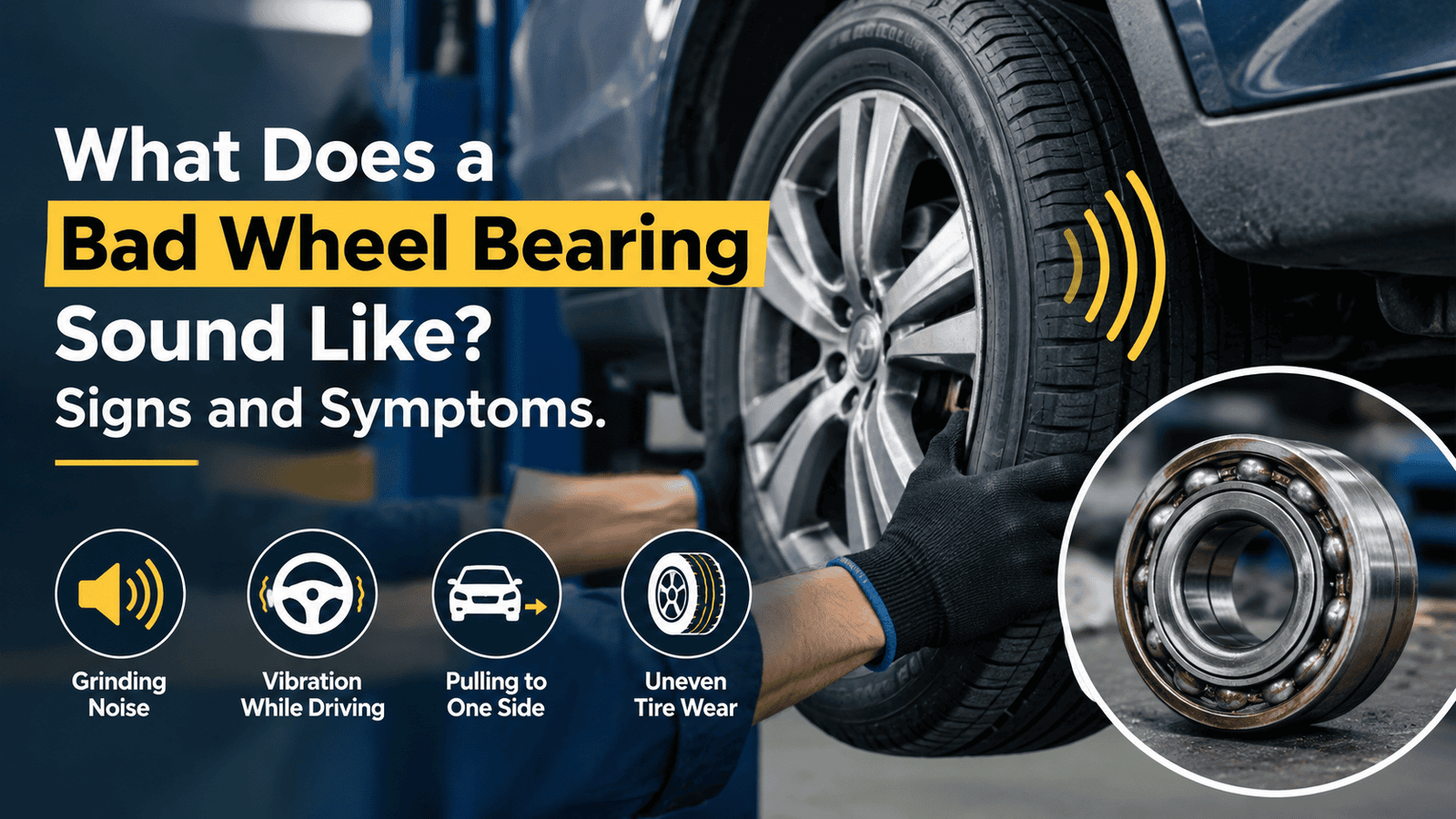
Meanwhile, a failing wheel bearing often brings a growling sound that changes with speed. Bent wheels from road impacts create constant low-speed wobble as well.
Checking tire pressure regularly and rotating tires every five to seven thousand miles prevent many of these issues from starting.
If the vibration appears only at highway speeds, schedule a balance and alignment check soon. Call your local shop today to keep the problem from spreading.
Is It Safe to Drive with a Shaking Steering Wheel
Mild steering wheel vibration from slight tire imbalance allows short trips to a repair shop. However, stronger shaking changes the picture quickly.
A severe wobble reduces steering precision and lengthens stopping distances. Worn suspension parts can fail suddenly and leave you with less control. Warped brake rotors already compromise braking power, so continued driving raises risk in emergency stops.
Meanwhile, loose lug nuts demand immediate action. Pull over safely and tighten them or call for a tow. Likewise, a tire with a bulge or exposed cords can blow out without warning.
Driver fatigue also increases on longer drives because the constant shake distracts attention. Therefore, treat any growing vibration as a warning. Limit driving to the nearest trusted mechanic and avoid high speeds until the cause is fixed.
When Should You Take Your Car to a Mechanic
Book an inspection as soon as the shaking steering wheel appears. Early diagnosis often means simple tire balancing or a quick alignment. Waiting lets the issue wear other parts and raise the final cost.
Take the car in right away if the vibration starts after hitting a pothole. The same urgency applies when shaking occurs only during braking or when you hear new clunks and growls. Persistent pull to one side or uneven tire wear also signals the need for professional help.
A skilled technician checks tire balance, rotor runout, suspension play, and alignment angles in one visit. They restore smooth control and prevent further damage.
Schedule your appointment now before a small shake turns into a roadside breakdown.
Frequently Asked Questions
Why is my steering wheel shaking while driving?
Unbalanced tires rank as the top reason, especially at highway speeds. Warped brake rotors cause the shake mainly during braking. Wheel alignment issues and worn suspension components also transmit vibration into the wheel.
Is it safe to drive with a shaking steering wheel?
Light vibration from tire imbalance allows a short, careful drive to the shop. Stronger shaking or any noise with the vibration means stop as soon as possible.
When should I take my car to a mechanic for steering wheel vibration?
You should take it to the mechanic for a complete checkup as soon as possible. The issue indicates a problem that would become a bigger problem if delayed.
Parting Thoughts
Ignoring early signs of steering wheel vibration leads to faster tire wear and higher repair costs over time. Regular checks keep every drive smooth and secure.
Claymont Auto Repair stands ready with experienced technicians who diagnose and fix these issues quickly. Visit claymontauto.com or call today to restore the steady feel you expect from your vehicle.