A car with a lot of miles on it isn’t necessarily a car that’s ready to quit. Plenty of vehicles stay on the road well past 100,000 miles. The difference usually comes down to how they’ve been driven, how well they’ve been maintained, and whether small problems were handled before they became expensive ones.
As the miles add up, though, certain parts naturally start showing their age. That’s when regular maintenance matters even more.
If you’re around Claymont and trying to keep an older vehicle going, Claymont Auto, DE can help you figure out what actually needs attention and what can wait.
Why High-Mileage Cars Need Extra Attention
Once a car passes 100,000 miles, most people start thinking of it as high mileage. But that number only tells part of the story.
A well-maintained car with 120,000 miles could be in much better shape than one with 80,000 miles that’s missed oil changes and spent years being driven hard.
What does change with mileage is wear. Brakes, suspension parts, belts, hoses, seals, and other components have simply been working longer. Some may need attention sooner than they did when the car was newer.
That’s why having a trusted car repair shop inspect the vehicle can be useful. Instead of replacing parts just because the odometer reached a certain number, a technician can look at what’s actually worn.
A good Delaware auto service provider should also consider the car’s age, maintenance history, driving conditions, and manufacturer recommendations before suggesting service.
What Should You Check on a High-Mileage Car?
There’s no magic 100,000-mile checklist that works for every vehicle. Different makes, models, and engines have different maintenance schedules, so your owner’s manual is still the best place to start.
There are, however, a few areas worth keeping a closer eye on.
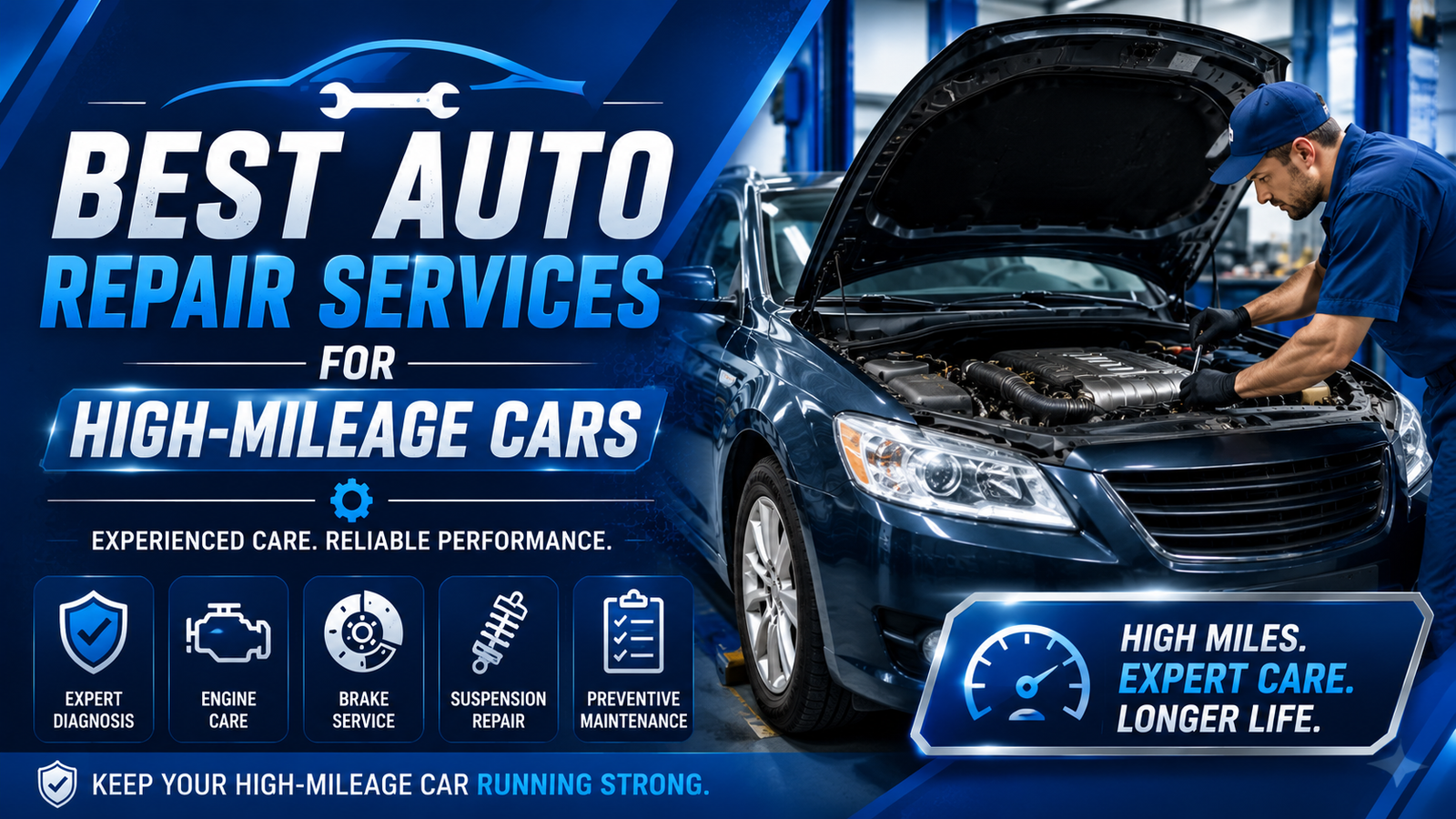
- Fluids: Oil, coolant, brake fluid, and transmission fluid all need attention. Check the levels and condition, and follow the manufacturer’s recommended service intervals.
- Timing Belt: If your vehicle uses a timing belt, check when the manufacturer recommends replacing it. Not every car has one, and replacement intervals vary.
- Brakes: Pads and rotors wear over time, but don’t forget about brake fluid and the rest of the braking system.
- Suspension: Worn shocks, struts, bushings, or other components can change the way an older car rides and handles.
- Battery and Electrical System: Slow starts and electrical problems are worth checking before they leave you stranded.
- Belts and Hoses: Rubber doesn’t last forever. Age, heat, and everyday use can eventually lead to cracks, leaks, and deterioration.
The point isn’t to start replacing everything once your car reaches six figures. It’s to know what condition these parts are actually in.
What Does a 60,000 km Service Include?
If your maintenance schedule uses kilometers, 60,000 km works out to roughly 37,000 miles.
What happens at that service depends on the vehicle. There isn’t one standard 60,000 km service package that applies to every car.
Depending on the manufacturer’s schedule, it could include:
- Oil and filter change
- Air filter inspection or replacement
- Fluid checks
- Brake inspection
- Tire inspection and rotation
- Belt and hose inspection
- Battery and charging system test
Your vehicle may need more than this, or it may need less. Rather than paying for a generic service package, have a car repair shop check the maintenance schedule for your specific make and model.
Can You Repair a Car With High Mileage?
Of course. Having 100,000 miles on the odometer doesn’t suddenly make a car unrepairable.
Many cars stay dependable well beyond that point. Some make it past 200,000 miles. Maintenance history, vehicle design, driving habits, and overall condition all matter.
The better question is whether a particular repair is worth doing.
Say your otherwise dependable car needs a worn suspension part replaced. Fixing it may make perfect sense. But if the same car needs major engine work, transmission repairs, new suspension components, and several other expensive fixes all at once, the decision gets harder.
That’s where an experienced Delaware auto service provider can help. Get the car inspected, understand what it needs now, and ask what may be coming next. Then you can decide whether putting more money into it makes sense.
Signs Your High Mileage Car Needs Attention
Older cars don’t always break without warning. Quite often, something changes first.
Maybe the engine sounds different in the morning. Maybe you’ve started noticing a small spot of fluid where you park. Or perhaps the steering just doesn’t feel as tight as it used to.
Things worth paying attention to include:
- New engine noises
- Fluid leaks
- Increased oil consumption
- Rough idling
- Hesitation during acceleration
- Trouble starting
- A noticeable drop in fuel economy
- Changes in steering or handling
- New vibrations
- Squealing, grinding, or other brake noises
- Dashboard warning lights
- Transmission slipping or delayed shifting
Don’t assume every new sound means a huge repair bill. Sometimes the cause is fairly simple. Getting it checked early at least lets you know what you’re dealing with.
How to Keep a High Mileage Car Going
You don’t need a complicated routine.
Start with the basics. Follow the maintenance schedule for your car. Change the oil when it’s due. Check your fluids. Keep an eye on your tires and brakes. And when a warning light appears, or the car suddenly starts driving differently, don’t ignore it for months.
Keeping your service records helps too.
If you know when the battery was installed, when the brakes were last done, or when a particular fluid was changed, you and your mechanic don’t have to guess.
And don’t fall into the trap of replacing perfectly good parts just because you’ve crossed 100,000 miles. Your car’s actual condition and its manufacturer’s maintenance schedule should guide those decisions.
Why Bring Your High-Mileage Car to Claymont Auto in DE?
An older car sometimes needs a little more detective work.
Maybe it’s had several owners. Maybe some maintenance records are missing. Or perhaps one part has already been replaced while another original component is finally starting to wear out.
At Claymont Auto, DE, technicians can inspect the vehicle and help sort out what needs attention first.
Whether you’re keeping up with routine maintenance or trying to figure out a new noise, leak, vibration, or warning light, a proper diagnosis gives you a much better idea of what to do next.
Frequently Asked Questions
What is considered high mileage for a car?
Around 100,000 miles is commonly considered high mileage, but don’t judge a car by the odometer alone. Maintenance history, age, and overall condition can tell you much more about how much life a vehicle may have left.
What maintenance should be done at 100,000 miles?
It depends on the car. Spark plugs, fluids, brakes, belts, hoses, and timing belt service may be due around this point on some vehicles. Others follow completely different schedules. Check the owner’s manual before assuming something needs replacement.
Can a high mileage car still be reliable?
Yes. A car that’s been maintained properly can remain reliable well beyond 100,000 miles. How it was driven and cared for over those miles makes a big difference.
Is it worth repairing a car with over 100,000 miles?
Sometimes, absolutely. Look at the repair cost, the car’s condition and value, and whether other major repairs are likely to come up soon. A six-figure odometer reading by itself isn’t a reason to get rid of an otherwise good car.
How often should a high mileage car be serviced?
Follow the manufacturer’s recommended service schedule rather than automatically shortening every maintenance interval because the car is older. Regular inspections can also help catch age-related wear before it causes a bigger problem.
Keep Your High Mileage Car Running Strong
Seeing 100,000 miles on the dashboard doesn’t mean your car’s best days are automatically behind it. If it’s been taken care of, there may still be plenty of driving left in it.
Stay on top of the basics, pay attention when something changes, and deal with problems before they have a chance to grow.
If your high-mileage vehicle is due for maintenance or just doesn’t feel quite right lately, Claymont Auto, DE can take a look and help you figure out what it actually needs.
Schedule an appointment and keep those miles coming.