For everyday drivers, fuel prices are a constant worry. Since it is almost impossible to control the fluctuating engine oil prices, the only option left is to manage the vehicle’s fuel consumption and discover how to improve gas mileage.
Surprisingly, in the how to get better MPG series, we learn that it can be as simple as improving your car’s condition or following a vehicle maintenance schedule.
In many cases, old engine oil or worn-out components cause the vehicle to work harder. As a result, the car drinks more fuel than usual, and you find yourself at the gas station more often than usual.
Here are some fuel efficiency tips and maintenance suggestions that can help you improve your gas mileage.
How to Get Better Gas Mileage According to Experts?
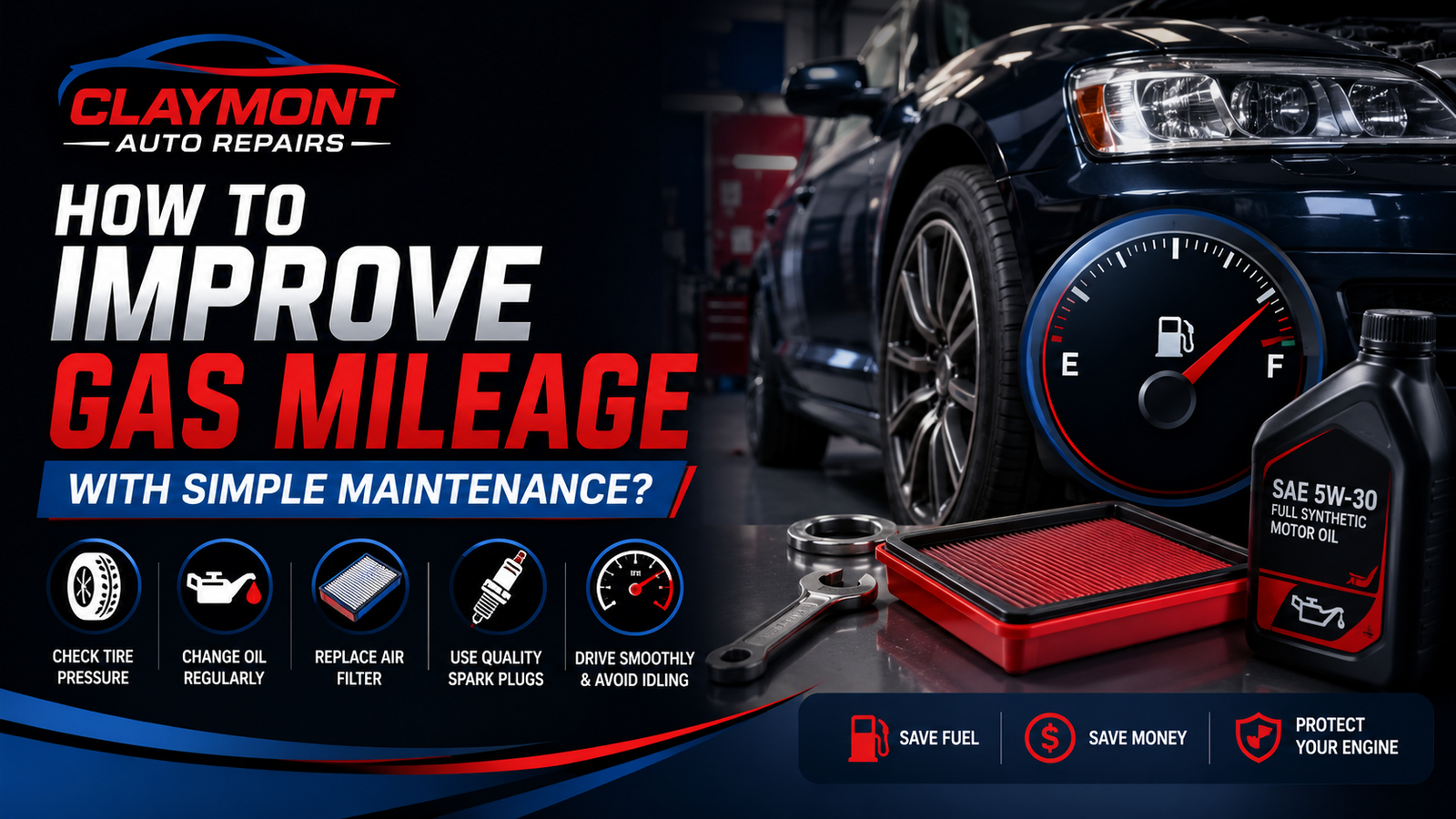
The following are a few suggestions on how to increase gas mileage irrespective of the vehicle’s make and model:
Keep Tires Inflated
The most underrated way to improve gas mileage is to ensure your tires remain properly inflated. Moreover, as they support vehicle movement, low-pressure tires resist rolling on the road. This exerts more pressure on the engine, causing it to use more fuel than necessary.
Always keep your tires inflated as mentioned in the manuals rather than filling them to their maximum capacity.
Replace Clogged Filters
Your engine needs an adequate supply of air to perform its best. However, the environment carries several pollutants, which can damage the engine’s operation. Hence, air filters play an essential role in preventing dust, dirt, and other contaminants from entering the engine.
However, if the filters are dirty, they restrict airflow to the engine.
Significantly, we cannot expect a major jump in MPG, especially in modern vehicles. In some cases, underlying mechanical problems may cause a spike in fuel consumption. Nonetheless, this remains an important fuel efficiency tip, especially when replacing or repairing worn-out filters.
Have a Correct Oil Change Routine
Every car is different in make and model; similarly, the type of lubricant they need also differs. There are endless engine oil varieties available in the market, starting from conventional crude oil to synthetic, semi-blend, and high-mileage engine oil.
Furthermore, the different fuel types include high-octane, diesel, and super petrol. The right kind of lubricant and timely oil changes allow the engine and its moving components to operate more efficiently. Moreover, some lubricants are custom-made for particular vehicles and engine types.
Replace Worn-Out Spark Plugs and Brakes
Damaged or worn-out spark plugs and dragging brakes are another reason to rethink why your gas mileage is so low. Both conditions affect acceleration, and the vehicle will need to burn more fuel to maintain the required speed.
Pay Attention to an Illuminated Engine Light
The engine light is an obvious warning sign that instantly indicates something is wrong and requires attention. Even if your vehicle seems to be driving normally, never ignore a flashing check engine light.
Usually, the alert signal appears when there is an issue in the engine, emissions, fuel, ignition, or electronic system. As a result, these fuel-draining faults may remain undetected until an expert thoroughly inspects the vehicle and gives a verdict.
Transmission Should Be in Good Health
The transmission system is like the body’s joints, transferring power from the engine to the wheels and allowing the vehicle to move at different speeds. When the transmission develops a mechanical problem, it cannot perform its duties, thus wasting energy and burning extra fuel.
In such situations, the transmission should undergo professional maintenance. However, the servicing criteria depend on whether the gearbox is automatic, manual, continuously variable, or dual-clutch.
Avoid Overheating the Engine
Every engine relies on its thermostat, cooling fan, coolant system, and sensors to maintain a suitable temperature. If the cooling system malfunctions, the engine may run either too cold or too hot. An overheated engine can damage itself and its supporting components. While the unit that runs below the ideal temperature can negatively affect fuel economy.
Fix Small Problems Before They Become Serious Matters
Addressing a mechanical issue as soon as you notice it is one of the best ways to improve gas mileage. Some symptoms are quite obvious while others remain hidden from plain sight. Nonetheless, ignoring them for a prolonged period will only worsen the situation and increase your repair bills.
Additional Recommendations on How to Improve Fuel Economy
- Follow your maintenance schedule
- Avoid unnecessary and aggressive braking
- Service components timely
- Check wheel alignment
- Drive at reasonable speeds
Who to Seek for Car Maintenance to Improve Gas Mileage?
We at Claymont Auto Repair believe that reliable automotive care depends on skilled technicians, premium materials, transparent pricing, and accurate maintenance. We also believe in walking you through every step before you entrust your vehicle to us and keeping you updated every step of the way.
To learn more about all our reliable automotive solutions your car may ever need, visit https://claymontauto.com/.
FAQs
What maintenance improves gas mileage?
- Correct tire pressure
- Clean filters
- Fresh oil
- Maintained parts
Does regular car maintenance improve gas mileage?
Yes, regular maintenance helps the vehicle burn less fuel.
Does an oil change improve gas mileage?
Correct and timely oil changes are your road to improving gas mileage.
Can low tire pressure reduce gas mileage?
Yes, because low tire pressure causes the car to work harder and consume more fuel.