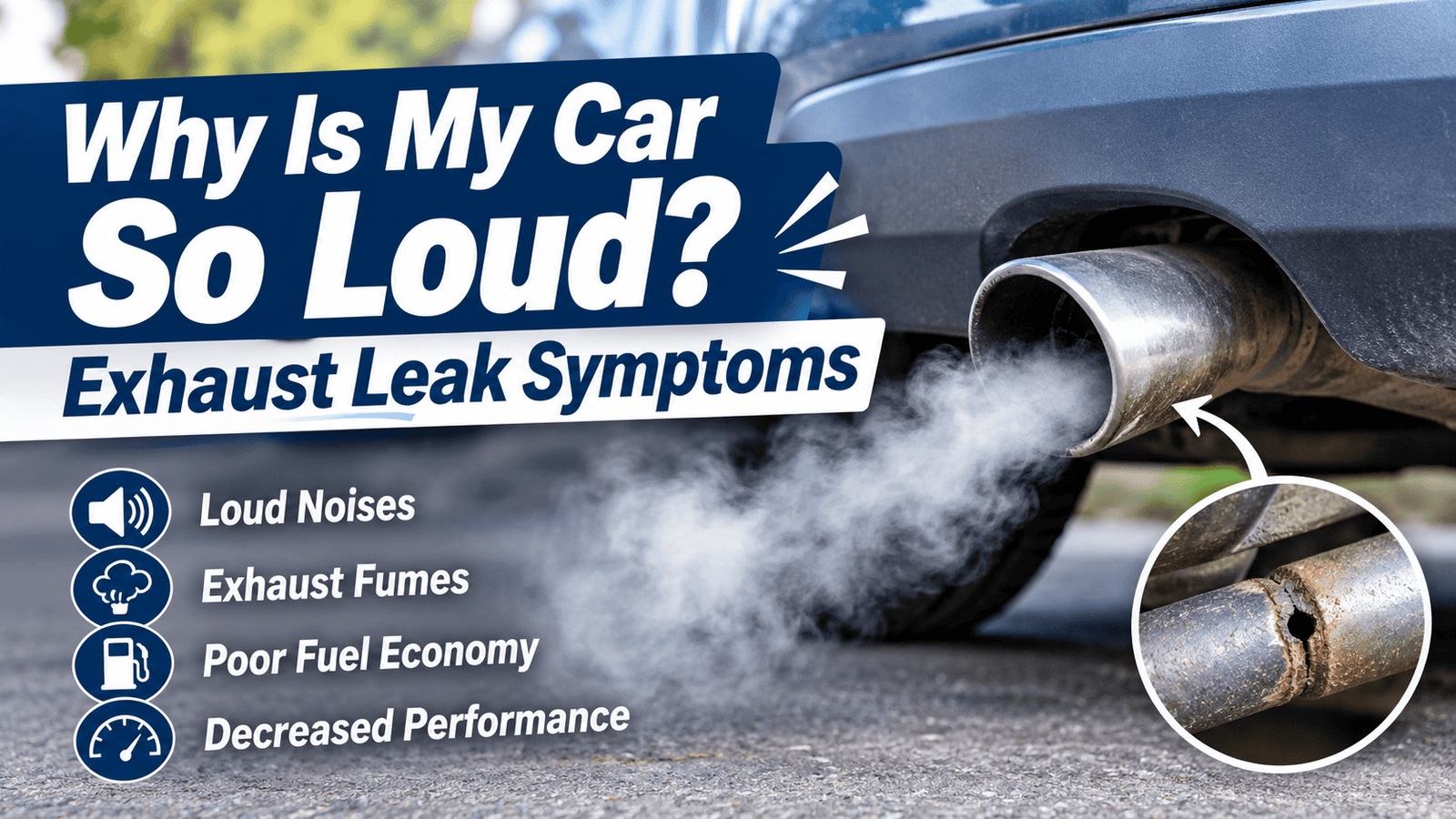
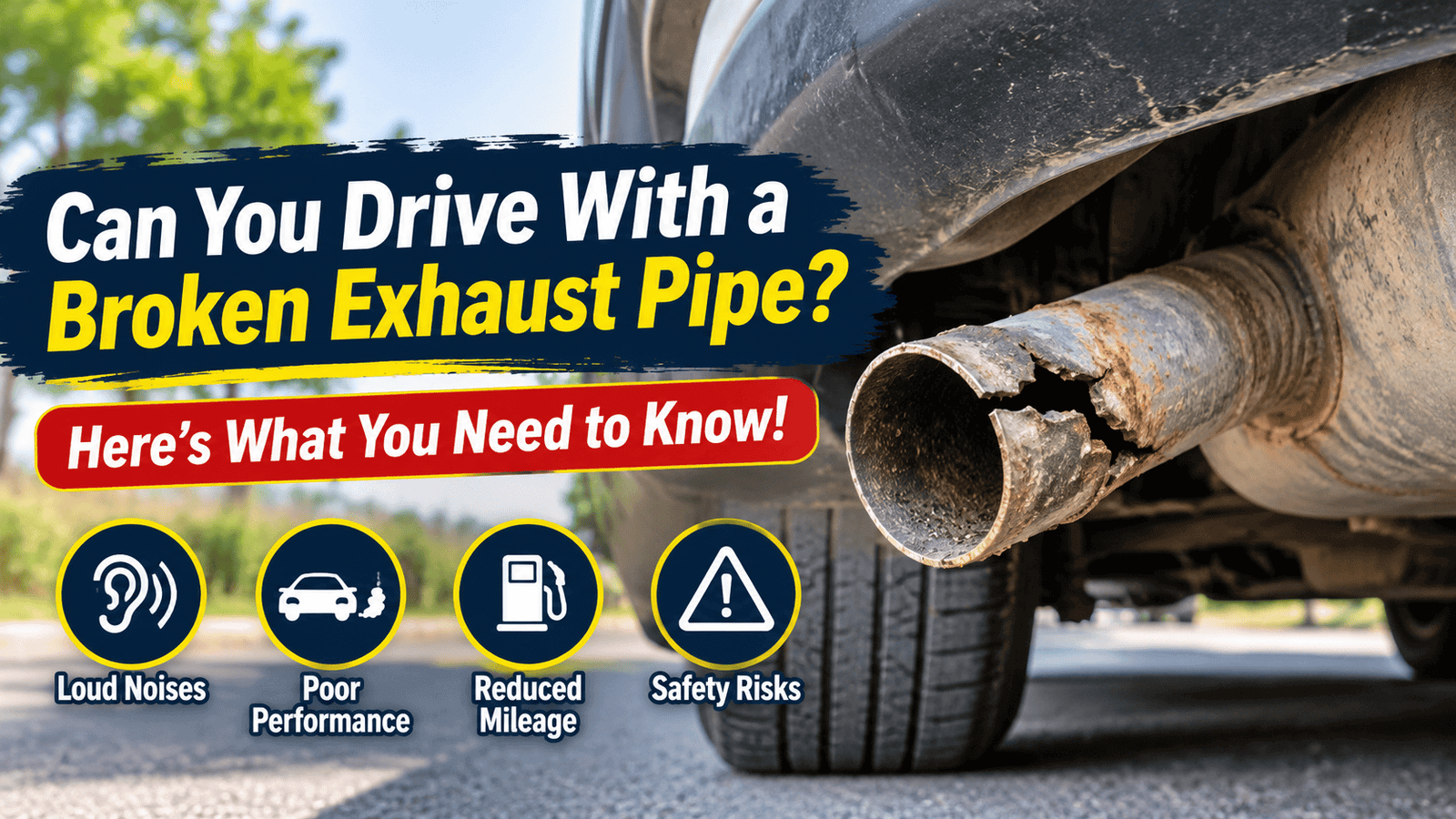
Sometimes, the first sign of an exhaust problem is a sudden roaring or rattling sound beneath your car. Other times, you might notice an unusual exhaust smell or a pipe hanging lower than it should.
Whether you ran over a piece of retread tire on I-95 or rust finally ate through your muffler, you are left with an immediate question: can you keep driving with broken exhaust components, or do you need to pull over right now?
Your car might still run with a broken exhaust pipe, but continuing to drive can expose you to harmful fumes, damage nearby components, and put your vehicle out of compliance with Delaware’s exhaust requirements.
Here is what actually happens when your exhaust system breaks, the risks of staying on the road, and what you should do next.
What Your Exhaust System Actually Does
A lot of drivers believe that the exhaust pipe is simply a metal pipe that’s intended to make the vehicle quieter. Noise control is an important part of the job, but the system does three separate things:
- It carries exhaust gases away from the engine and directs them toward the vehicle’s exhaust outlet, helping keep harmful fumes away from the passenger compartment.
- The catalytic converter helps reduce harmful pollutants in the exhaust before the gases leave the vehicle.
- The muffler helps reduce the noise produced by the engine’s combustion process.
When an exhaust pipe cracks or breaks, gases can escape before reaching the intended outlet. Depending on the location of the damage, fumes may collect beneath the vehicle or enter the cabin.
The Risks of Driving With a Broken Exhaust
Continuing to drive with a damaged exhaust pipe introduces several distinct problems very quickly.
Carbon Monoxide Poisoning Inside the Cabin
It’s the biggest threat. Carbon monoxide (CO) is colorless, odorless, and harmful. A cracked exhaust pipe can allow fumes to escape beneath the vehicle. Depending on the leak’s location and driving conditions, those gases may enter the passenger compartment through openings in the vehicle body or ventilation system.
Exposure can cause headaches, dizziness, nausea, and confusion. Severe exposure may lead to loss of consciousness.
If you suspect exhaust fumes are entering the cabin, pull over somewhere safe, turn off the engine, get everyone into fresh air, and arrange for a tow. If anyone experiences dizziness, confusion, or other possible carbon monoxide poisoning symptoms, seek emergency medical care.
Fire Hazards Under Your Car
Exhaust components can become extremely hot while the engine is running. If a damaged pipe directs hot gases toward nearby wiring, rubber hoses, or other heat-sensitive components, it can increase the risk of damage or fire.
A damaged or hanging exhaust component can also create a fire hazard if it comes into contact with dry vegetation or other combustible materials.
Damage to Other Vehicle Parts
A loose or hanging exhaust pipe puts additional stress on the rest of the system. Exhaust systems hang from rubber isolators and metal brackets.
A loose or hanging exhaust pipe can put additional strain on mounting brackets, hangers, and connected exhaust components. If the damage worsens, repairs may become more extensive.
Fines and Failed Inspections
Delaware requires vehicles to have properly functioning exhaust systems. Exhaust leaks, loose components, and excessive noise can cause a vehicle to fail a DMV safety inspection. Driving with a defective exhaust system may also violate state regulations.
Frequently Asked Questions
How Long Can I Drive With a Broken Exhaust Pipe?
There’s no safe mileage limit for driving with a broken exhaust pipe. The risk depends on where the damage is and whether exhaust fumes can enter the cabin.
If you notice fumes inside the vehicle, experience symptoms such as dizziness, or see a pipe dragging on the road, stop driving and arrange for a tow.
How Long Can I Drive Without an Exhaust?
Driving without a functioning exhaust system can expose passengers to harmful gases, create excessive noise, and allow hot exhaust to escape near other vehicle components.
The safest option is to have the vehicle inspected and repaired before driving it again.
Can You Temporarily Fix a Broken Exhaust Pipe?
Some minor exhaust leaks can be repaired using products designed for exhaust systems, but the correct repair depends on the location and severity of the damage.
Exhaust components become extremely hot, and working beneath a vehicle without proper equipment can be dangerous. If the pipe is hanging, dragging, or allowing fumes into the cabin, don’t attempt a roadside repair. Arrange for a professional inspection instead.
Getting Your Exhaust Fixed in Claymont
If your car suddenly sounds louder than usual or you notice an exhaust smell, don’t ignore it. A professional inspection can help identify the problem before it causes additional damage.
During an exhaust inspection, a mechanic can check for damaged pipes, loose hangers, leaking connections, and other components that may need repair or replacement.
If you need exhaust repair in Claymont, DE, Claymont Auto Repair can inspect your vehicle, identify the issue, and recommend the appropriate next steps.
If your vehicle is making unusual exhaust noises or showing signs of a leak, contact Claymont Auto Repair in Claymont, Delaware, to have the problem evaluated.