A car rarely fails without warning. It usually gives you months of small signals first, and most drivers just don’t catch them in time.
Learning a handful of basic car maintenance tips can save you thousands of dollars and keep you a lot safer behind the wheel.
Most people only think about their car when something already feels wrong. Waiting for a problem to show up is one of the most expensive habits a driver can fall into.
A few consistent habits, done on a schedule, keep your engine, brakes, and tires working the way they’re supposed to for years.
This guide covers real car maintenance tips that actually make a difference, not just the generic advice you’ve read a hundred times.
Whether you just bought your first car or you’ve owned one for a decade, these car maintenance tips will help you dodge costly repairs and keep things running smoothly.
Why Routine Maintenance Actually Matters
Every part of your car depends on the parts around it. When one component starts to wear down, it quietly pushes extra stress onto everything nearby. A car that gets regular attention lasts longer, drives better, and holds its value when it’s time to sell.
Skipping maintenance can feel like it saves you time. It doesn’t, not really. Small issues left alone almost always turn into repairs that cost far more than the checkup would have.
That’s the whole reason routine car maintenance matters so much over the life of a vehicle. Staying ahead of problems protects your safety just as much as it protects your bank account.
Drivers who stick to a maintenance rhythm rarely get blindsided by a major repair bill.
What Belongs On Your Car Maintenance Checklist
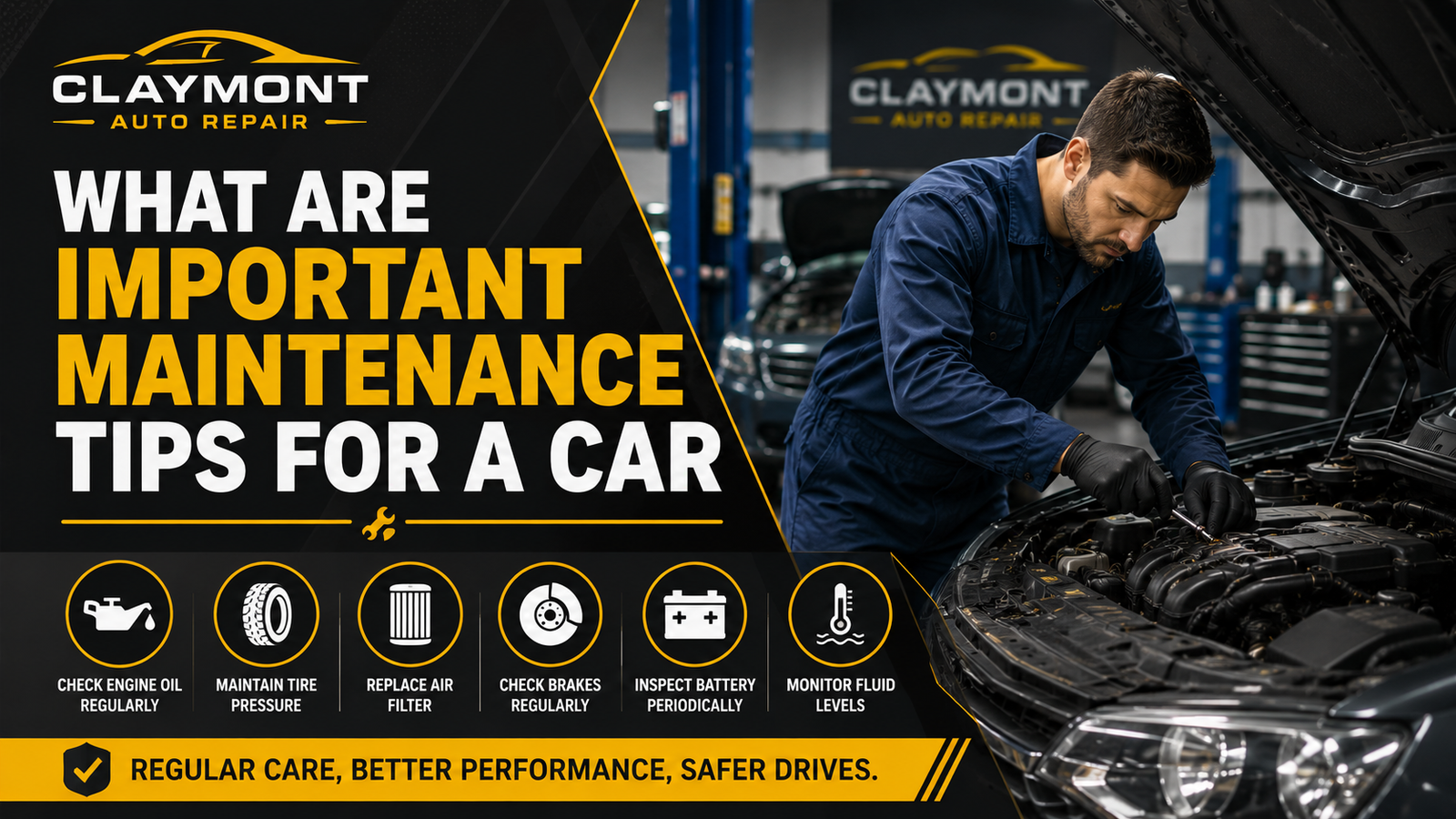
A good car maintenance checklist covers the systems that wear out fastest. Oil changes come first on that list, and for good reason. Fresh oil keeps engine parts lubricated and prevents the kind of friction that leads to real damage over time.
Brakes need just as much attention. A squeak or a grind usually means the pads are running thin. Ignore that sound long enough, and you’re looking at rotor damage, which costs a lot more than a simple pad swap would have.
Tires matter more than most drivers give them credit for. Underinflated tires wear unevenly and quietly drag down your fuel economy. Worn tread cuts into your traction too, and that becomes a real problem in wet weather when stopping distance actually counts. Rotating your tires every few thousand miles helps them wear evenly instead of chewing through the front set first.
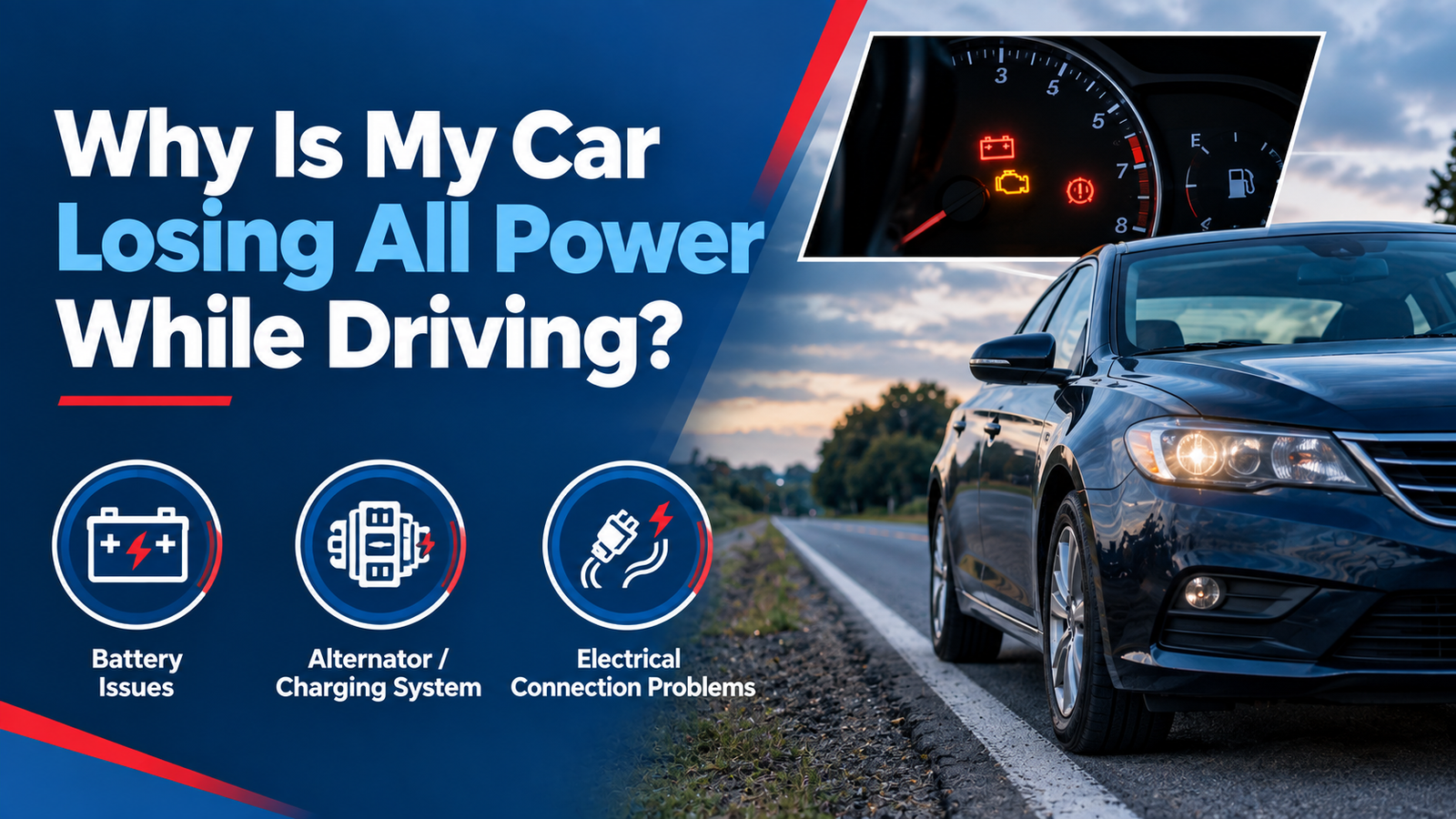
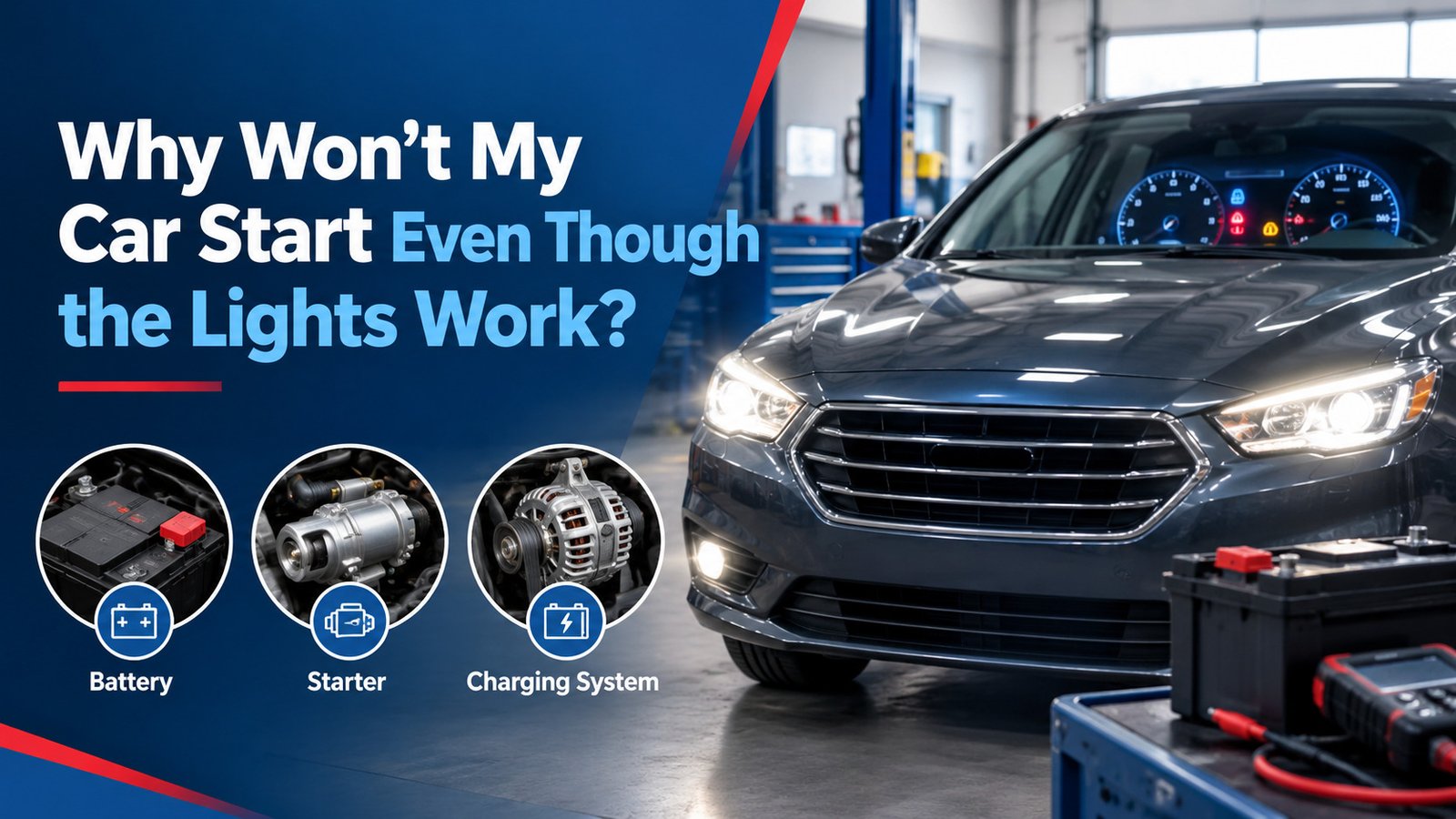
Don’t forget the battery either. Corrosion around the terminals, or a battery pushing past three years old, are both signs a replacement is probably coming soon.
A thorough car maintenance checklist always includes a quick battery check, since a dead battery has a way of showing up at the worst possible moment.
How Preventive Care Keeps Repairs From Piling Up
Small problems don’t usually stay small. A worn belt, a clogged filter, or a fluid running low can quietly wreck bigger parts of your engine over time. That’s exactly why preventive car maintenance pays off so consistently.
Take a dirty air filter as an example. It forces your engine to work harder than it needs to, which drags down fuel efficiency and wears out components faster than they should.
Swapping a filter costs almost nothing next to the price of engine repairs caused by months of unnecessary strain.
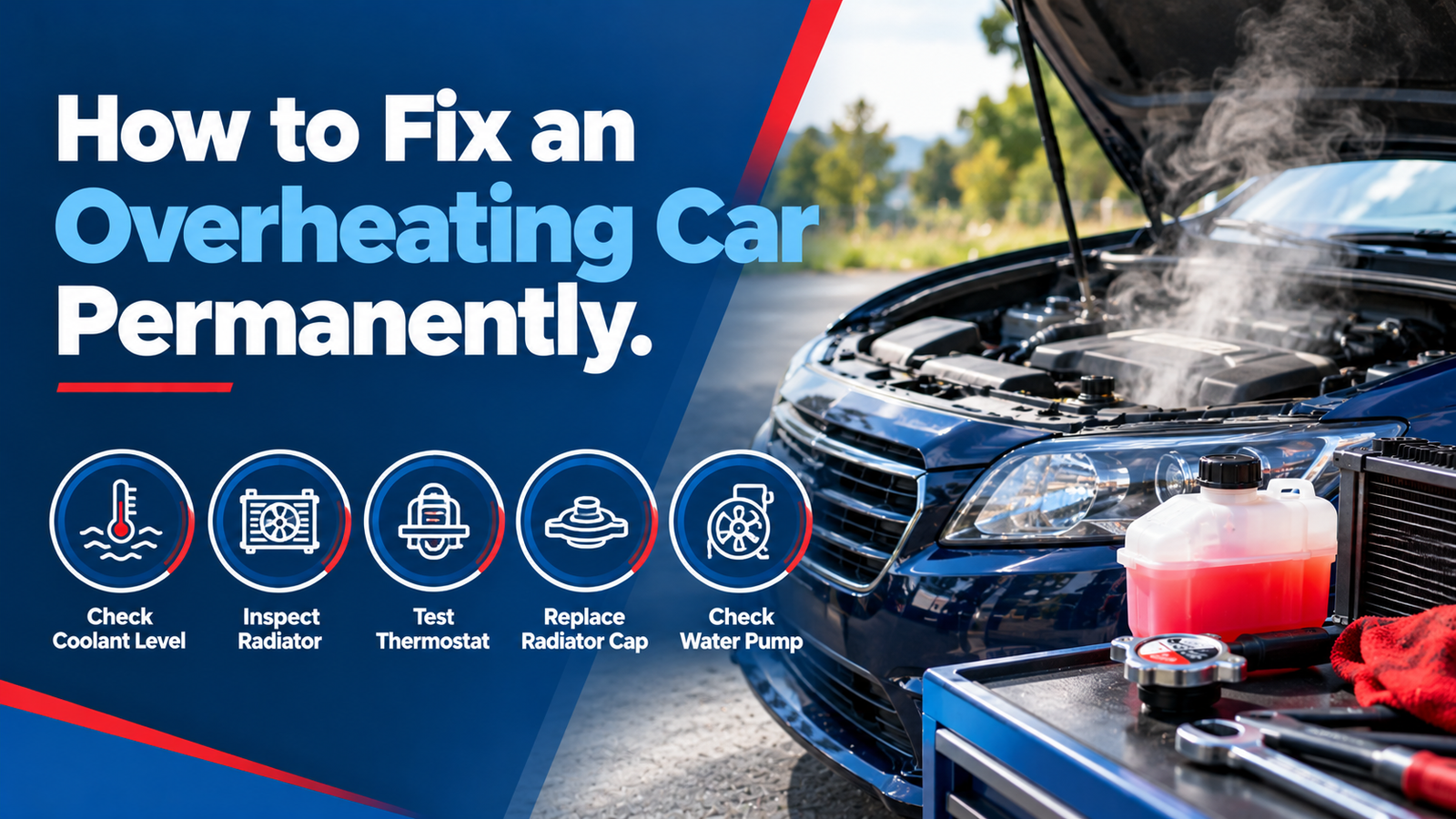
A small coolant leak tells a similar story. It might not seem urgent at first glance. Low coolant leads to overheating, though, and overheating has a nasty habit of damaging the head gasket.
Catching these things early, through routine checkups, is what preventive car maintenance is really about, and it saves drivers from bills that hit a lot harder later on.
Fluids You Should Be Checking on a Regular Basis
Fluids keep your car running safely, yet plenty of drivers forget about them until a warning light finally comes on.
Engine oil deserves a monthly glance, since low levels cause serious wear on engine parts. Coolant matters just as much, especially once summer heat starts pushing engines harder than usual.
Brake fluid needs regular attention too, since it has a direct effect on stopping power. Transmission fluid keeps your gear shifts smooth and protects internal parts from friction they shouldn’t be dealing with.
Checking these fluids regularly is one of the easiest ways to avoid getting stranded.
Putting Together A Long-Term Vehicle Maintenance Guide
Every driver benefits from having their own plan, not just a generic one pulled off the internet. A solid vehicle maintenance guide should map out oil change intervals, tire rotation timing, brake inspections, and fluid checks based on your specific make and model.
Keeping a simple record of past services helps too. If your brakes keep wearing out faster than they should, a mechanic can dig into whether it’s your driving habits or something mechanical causing it.
Building your own vehicle maintenance guide this way, based on your actual car and how you drive it, makes essential car maintenance far easier to stay on top of. It also makes it a lot easier to plan for the cost ahead of time instead of getting hit with a surprise bill.
Frequently Asked Questions
What routine maintenance should be done on a car?
Routine maintenance covers oil changes, tire rotations, brake inspections, and regular fluid checks. Filters and belts need attention too, since worn components end up putting extra strain on the engine and everything connected to it.
How often should you service your car?
Most cars need an oil change somewhere between five thousand and seven thousand five hundred miles, though it depends on the make and model. Beyond that, a full inspection every six months goes a long way toward catching small issues before they turn into bigger ones.
What are the most important fluids to check in a car?
Engine oil, coolant, brake fluid, and transmission fluid top the list. Each one plays a direct role in how your car performs and how safe it is to drive, so letting any of them run low or dirty is never a good idea.
Final Thoughts
Taking care of a car isn’t about being a mechanic. It’s about paying attention to the small stuff before it turns into something bigger. A little consistency goes a long way toward avoiding the surprises that hit your wallet hardest.
At the end of the day, a well-maintained car is simply a safer one to drive. If you want a second set of eyes for essential car maintenance, Dr. Ralph’s team is ready to walk you through it.
Also, always watch for the signs as discussed, and practice these car maintenance tips to maintain your vehicle’s health.