Does steam pouring out from under your hood fill you with immediate panic? A sudden rise in temperature on your dashboard requires immediate action. Ignoring those temperature warnings can lead to expensive engine damage.
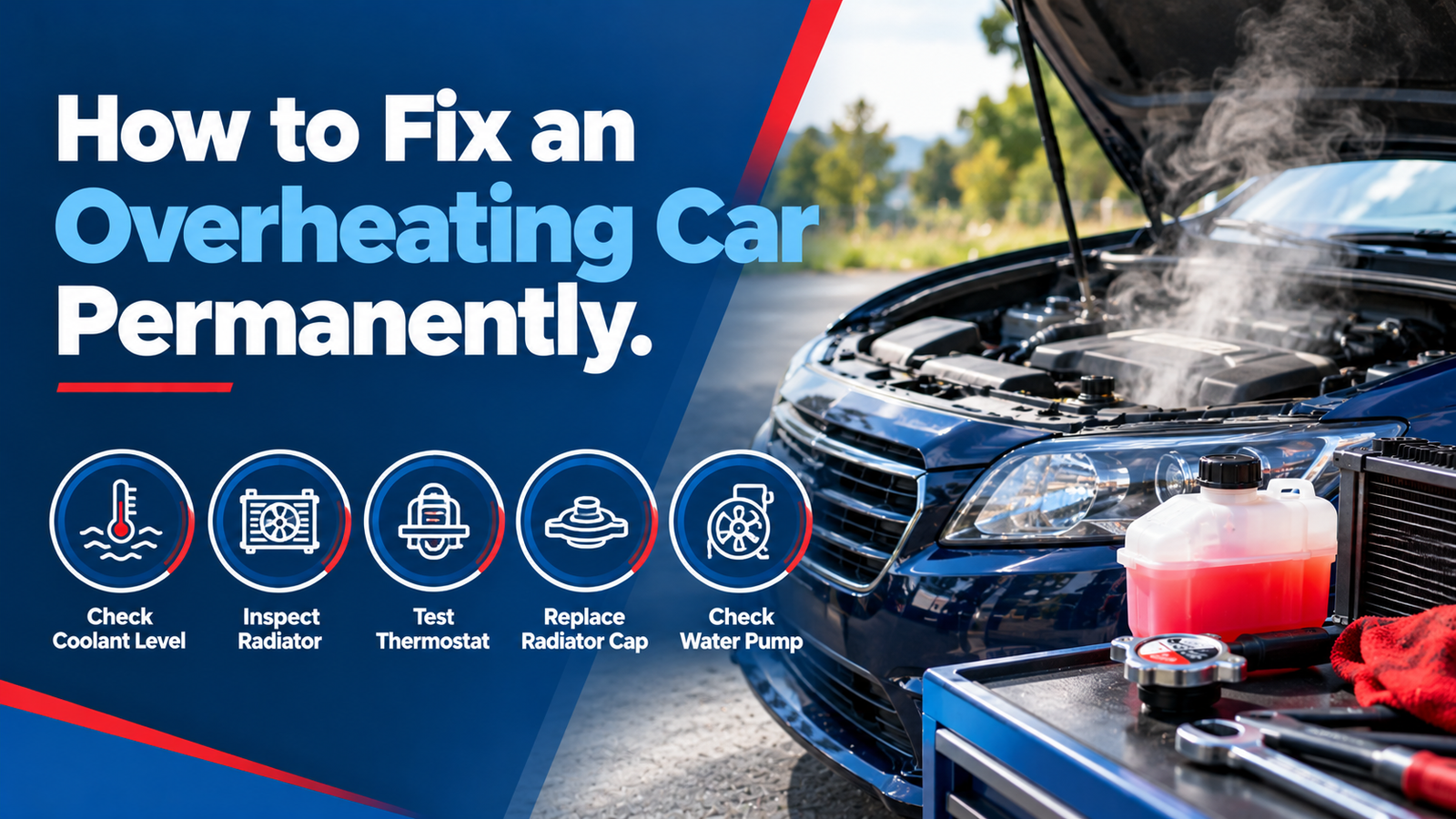
Dealing with a car overheating can instantly turn a simple commute into a dangerous breakdown. Coolant leaks, a stuck thermostat, a failing water pump, radiator problems, or a faulty cooling fan can all cause an engine to overheat.
A permanent solution must be made by locating and replacing the faulty part. Claymont Auto Repair provides diagnostic services to identify the cause of overheating and determine the appropriate repair.
Primary Causes of High Engine Temperatures
An enormous amount of heat is produced inside your car’s engine. The cooling system circulates coolant through the engine, where it absorbs heat before flowing to the radiator to release that heat. Whenever any part of this circuit breaks, the heat reaches exaggerated levels quickly.
One way to ask it may be, “Why is my car overheating?” and is it a moderate temperature outdoors? If coolant isn’t circulating properly, possible causes include a stuck thermostat, a failing water pump, a blockage, or another cooling-system problem.
Low engine oil can increase friction between moving parts and contribute to higher engine temperatures. In addition, a cracked hose can leak coolant, which can also create air pockets. These air pockets hinder the rapid transfer of heat.
Hidden Causes Beyond the Cooling System
A lot of drivers think the coolant is the only aspect of temperature regulation. Secondary systems help to store and manage the heat.
Clean engine oil reduces internal friction while helping release excess heat from the combustion chamber. As the oil level diminishes, you risk metal parts grinding together to create vast amounts of heat. Maintaining the correct engine oil level and following the manufacturer’s oil change schedule help reduce friction and heat inside the engine.
Furthermore, on some vehicles, transmission cooling is integrated with the radiator, so certain transmission problems or cooling-system issues may affect overall heat management.
A severely restricted catalytic converter or exhaust system can contribute to performance and heat-related problems, although it is not a primary cause of most overheating issues.
Troubleshooting Mysterious Overheating Issues
Some heat gauges climb when liquid storage tanks appear totally full, irritating any individual believing coolant-filled tanks suggest an engine that’s cooled.
Dealing with a car overheating but coolant is full can point to a faulty thermostat, water pump, cooling fan, radiator problem, or another issue affecting coolant circulation. If you notice your car overheating while the coolant is full, have the cooling system inspected for circulation problems or trapped air once the engine has cooled completely.
A blown radiator fan denies proper airflow when idling at traffic lights. Skilled professionals may pressure-test the cooling system and inspect coolant circulation to help identify leaks or other problems.
Handling Emergency Overheating Situations
Knowing what to do when car overheats prevents expensive engine damage. Pull over safely to the side of the road immediately. Turn off the ignition and let the motor cool down completely.
Experiencing a car overheating while driving on the highway requires pulling over immediately. Never attempt to open a hot radiator cap. Hot pressure causes severe steam burns.
Understanding what to do when car overheats keeps you safe on busy roads. Call a professional towing service instead of risking further engine damage. Every driver must learn what to do when the car overheats during the hot summer months.
Noticeable car overheating while driving can result from low coolant, a failing water pump, thermostat problems, radiator issues, or other cooling-system faults. Regularly checking coolant hoses for cracks, leaks, or deterioration can help reduce the risk of cooling-system problems.
How Claymont Auto Repair Fixes Overheating Permanently
Simply topping up coolant without repairing the underlying problem may only provide a temporary solution. The permanent solution is to fit quality parts to replace the tired or worn ones.
Our team pressure-tests, replaces thermostats, and flushes radiators for your benefit. We closely examine your water pump, drive belts, and fan clutches.
Insufficient engine oil can increase friction, heat, and wear between moving engine components. Maintain the lubrication of your engine with regular engine oil changes. Use a high-quality engine oil to keep the essential internal parts moving in their place.
Regular oil changes help maintain proper lubrication and reduce friction-related wear. On vehicles where transmission cooling interacts with the radiator, certain transmission problems may also affect overall heat management.
Inspecting your exhaust system can help identify restrictions or other exhaust-related problems. Drivers often wonder, why is my car overheating during stop-and-go highway traffic? If you are asking, “Why is my car overheating?” a stuck thermostat is one possible cause, along with coolant leaks, radiator problems, water-pump failure, and cooling-fan issues.
Continuing to drive an overheating vehicle can damage the head gasket and other engine components. Preventing car overheating requires regular cooling system maintenance.
Severe engine overheating cracks aluminum cylinder heads and warps metal engine blocks. Finding a lasting solution to engine overheating requires identifying and repairing the underlying cause.
Frequently Asked Questions
What are 10 common causes of overheating in a car?
Common causes include low coolant, coolant leaks, a faulty thermostat, a failing water pump, a clogged or damaged radiator, a faulty cooling fan, a damaged serpentine belt, blown head gasket, low engine oil, and damaged or clogged coolant hoses.
What is the first thing to check if a car is overheating?
Watch your temperature gauge. Pull over safely and at once stop the car, shut down the motor, and look for dripping or clouds of steam hanging off the underbelly. Wait until the engine has cooled completely before checking the coolant. Never remove the radiator cap while the engine is hot.
Can I drive my car if it is overheating?
If the engine is overheating, pull over safely and shut it off. Continuing to drive can cause serious engine damage.
Schedule Your Inspection Today
Protect your vehicle from costly thermal damage before it happens. Trust Claymont Auto Repair to keep your engine running cool and smooth year-round. Contact Claymont Auto Repair today to schedule a full cooling system inspection!